
The holidays are full of joy, excitement, and tasty treats, but for your dog, they can also bring hidden dangers. Between festive foods, sparkling decorations, and curious guests, there’s plenty of temptation and risk for your furry friend.
As trainers, we see preventable accidents every year. With a few precautions and structured obedience, you can make this holiday season safe, calm, and joyful for everyone, including your dog.
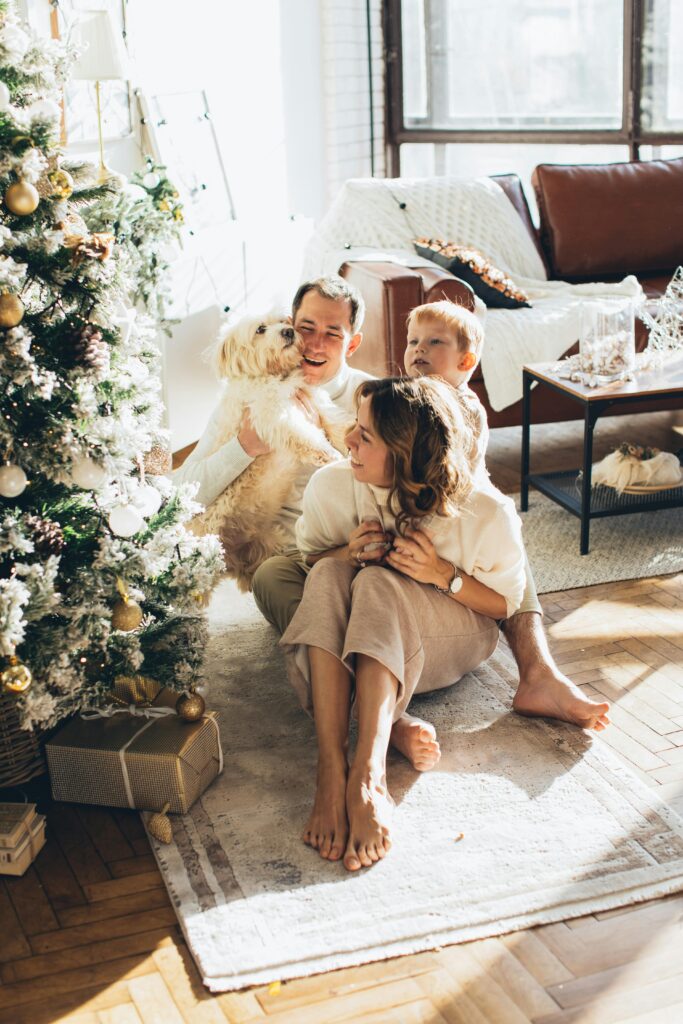
1. Holiday Foods That Can Harm Dogs
The kitchen is the biggest danger zone during the holidays. Many ingredients we enjoy are toxic to dogs, and the rich smells can make temptation hard to resist.
Common toxic foods include:
- Chocolate
- Onions, garlic, and chives
- Grapes and raisins
- Cooked bones (especially poultry)
- Alcohol and caffeine
- Fatty or seasoned meats
- Desserts with xylitol (a sugar substitute)
Even small amounts of these foods can cause vomiting, diarrhea, or worse. Instead, set aside safe snacks like plain cooked turkey, carrots, or green beans for your dog to enjoy.
For more on safe eating, see our blog on summer foods that are (and aren’t) safe for dogs.
2. Dangerous Decorations
Holiday decorations make your home festive, but they also attract curious noses and paws.
Watch out for:
- Tinsel and ribbon: Can cause intestinal blockages if swallowed.
- Glass ornaments: Break easily and can cut paws or mouths.
- Candles: Pose burn and fire hazards if knocked over.
- Electric cords: Tempting for puppies to chew.
- Christmas tree water: Often contains fertilizers or bacteria that can make dogs sick.
Keep decorations out of reach, secure cords, and never leave candles unattended.
3. Toxic Holiday Plants
Many traditional holiday plants are beautiful but toxic to dogs.
Avoid keeping these within reach:
- Poinsettias (mildly toxic, causing irritation)
- Holly and mistletoe (can cause severe vomiting or heart problems)
- Amaryllis and lilies (highly toxic to pets)
If you love greenery, consider pet-safe alternatives like artificial arrangements or rosemary topiaries.
4. Guests, Stress, and Overstimulation
More guests mean more excitement, and not every dog handles it well. The sound of doorbells, loud voices, and new scents can overwhelm even well-trained dogs.
Before guests arrive:
- Take your dog for a structured walk.
- Reinforce calm commands like place and down.
- Use crate time or a quiet space for breaks.
If your dog struggles with excitement or nervousness, structured training makes a huge difference. Our Basic Obedience Training Program teaches impulse control and confidence in busy environments like holiday gatherings.
5. Wrapping Paper and Gift Hazards
Dogs love to investigate new smells, and wrapped gifts are irresistible. Ribbons, plastic, and bows can be choking hazards, and batteries or small toys are dangerous if swallowed.
When it’s time to open presents, supervise your dog and clean up paper and packaging right away.
Checklist: Holiday Safety for Dogs
- Keep dangerous foods and leftovers out of reach.
- Secure or avoid breakable decorations.
- Skip toxic plants or keep them high off the ground.
- Use crates or quiet rooms for overstimulated dogs.
- Never leave candles or electric lights unattended.
- Supervise during gift opening and cleanup.
- Reinforce obedience commands before gatherings.
FAQ: Dog Safety During the Holidays
Q: Can my dog eat leftovers from the holiday meal?
A: Only plain, unseasoned meats and vegetables are safe. Avoid fatty, salty, or spicy foods.
Q: What should I do if my dog eats something toxic?
A: Contact your veterinarian or an emergency clinic immediately. Have details of what and how much they ate.
Q: My dog gets nervous around guests. How can I help them relax?
A: Use structured training, calm energy, and crate breaks. Give them a safe retreat away from the crowd.
Q: Are there safe holiday plants for homes with pets?
A: Yes, opt for artificial greenery or pet-safe herbs like basil, mint, or rosemary.
Q: How do I keep my dog from jumping on guests?
A: Practice calm greetings daily. Reinforce “sit” before anyone gives attention or affection.
Reliable Resource
For year-round safety awareness, the AVMA’s guide to dog bite prevention offers valuable insights on how awareness, control, and training protect both pets and families.
Final Thoughts: A Safe and Joyful Holiday Season
Holidays should be fun, not stressful. A little awareness, planning, and consistent training go a long way toward keeping your dog safe and calm.
When your dog understands boundaries, you can both enjoy the season without worry, and that’s the best gift of all.
Want your dog to stay calm and well-behaved this holiday season? Contact us today and let’s build the obedience skills that last all year long.