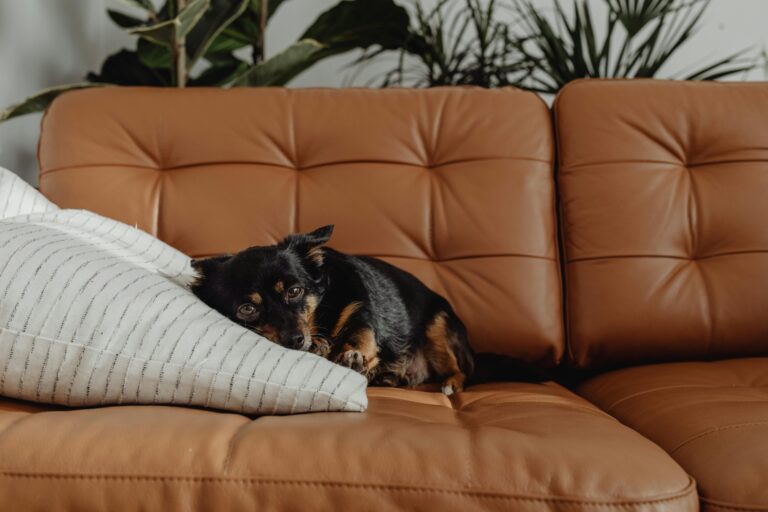
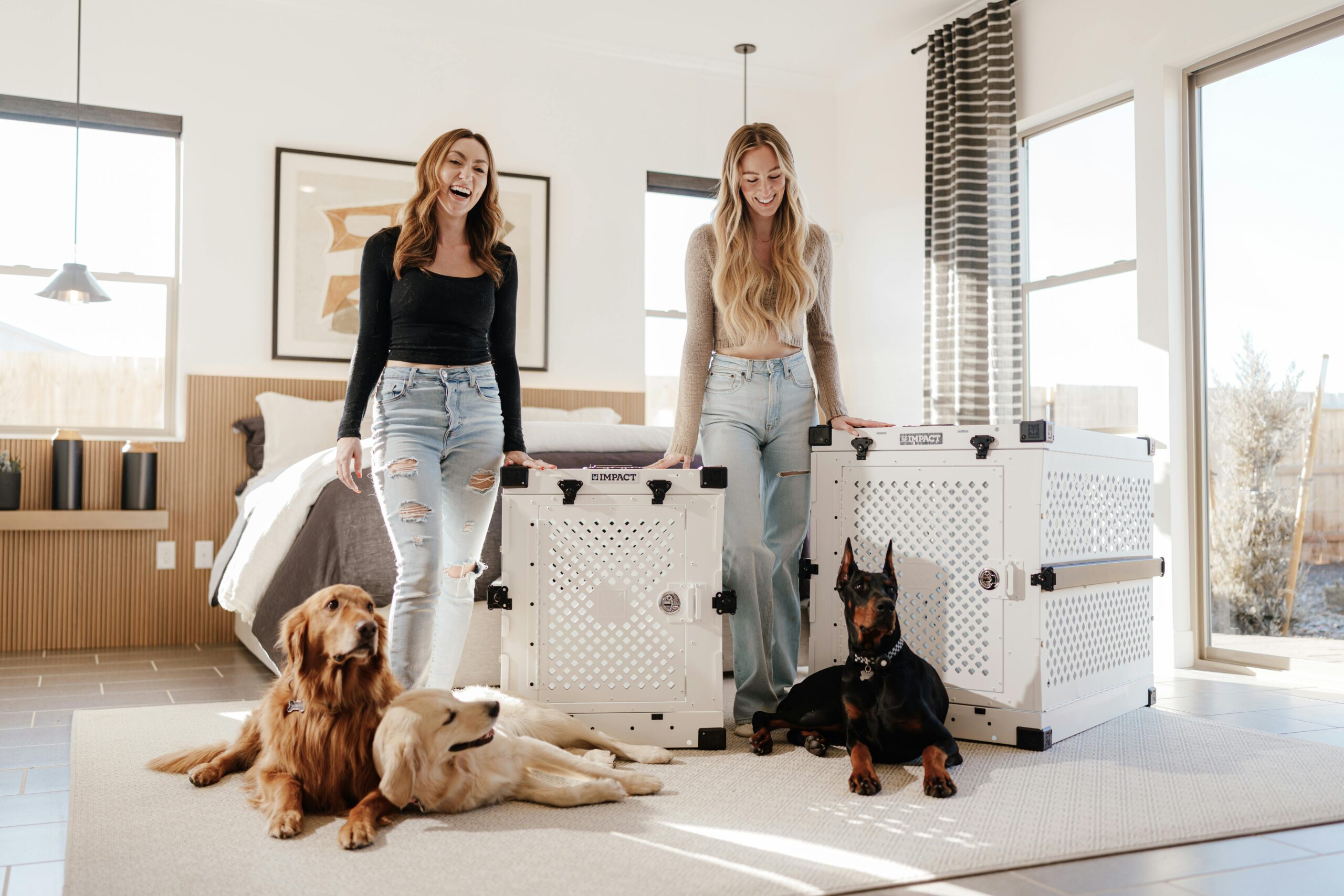
Crate Training 101: The Simple Positive Approach
When many dog owners hear “crate training,” they imagine confinement or punishment. But the truth is, when introduced correctly, a crate becomes one of the safest, most comforting spaces for your dog. Far from being cruel, crate training can reduce anxiety, prevent destructive behavior, and give your dog a personal den where they feel secure.
As a professional trainer, I’ve seen crate training transform households. Dogs that once tore up furniture, had endless accidents, or became overly anxious when left alone learned calmness and independence with proper crate use. Let’s break down why crate training matters and how to do it the right way.
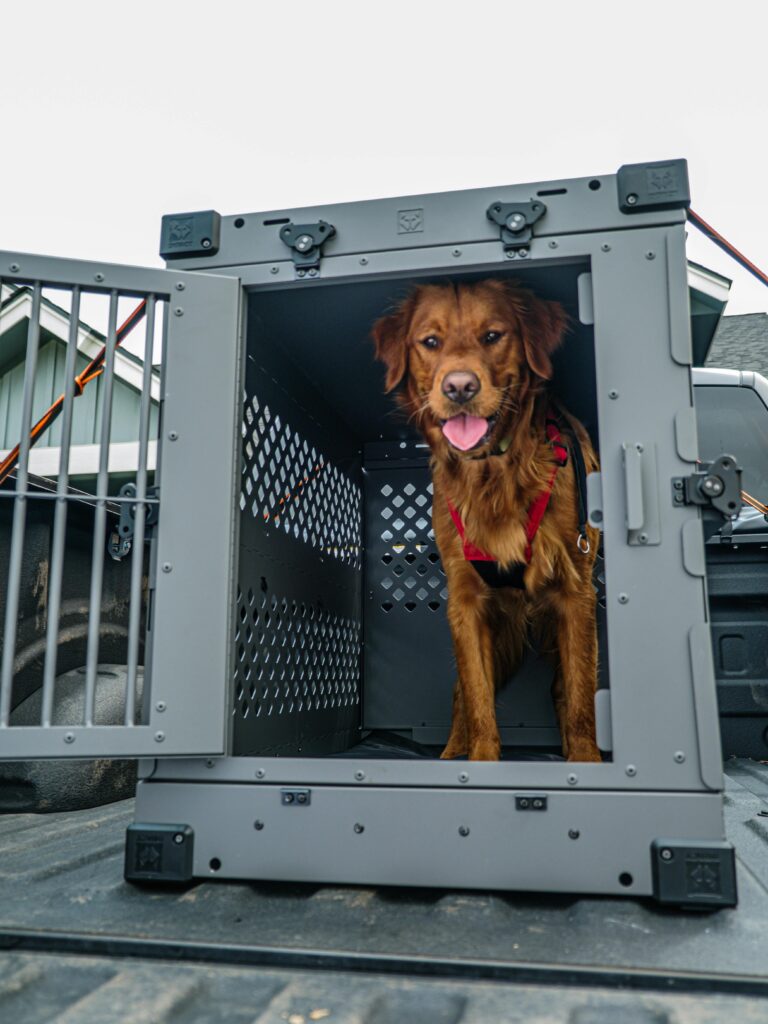
Why Crates Are Natural for Dogs
Dogs are den animals by instinct. In the wild, dens provide shelter, protection, and a place to rest without constant alertness. A crate recreates that sense of security indoors. When used consistently, it becomes a safe zone where your dog chooses to relax.
Common Misconceptions About Crate Training
Many owners avoid crate training because of misunderstandings. Let’s clear up the biggest myths:
- “It’s cruel.” A crate is not punishment. When introduced properly, dogs see it as a safe retreat, not a cage.
- “My dog will feel trapped.” Dogs naturally seek enclosed spaces to feel secure. A crate provides that.
- “It’s only for puppies.” Crates benefit dogs of all ages by reinforcing boundaries and preventing bad habits.
- “It means I can leave my dog for hours.” Crates should never replace exercise or engagement. They are part of balanced structure, not a babysitter.
Benefits of Crate Training
A properly trained crate routine offers:
- Housebreaking support: Dogs naturally avoid soiling their resting area.
- Safety: Prevents chewing furniture or eating dangerous items while unsupervised.
- Travel ease: Crates make car rides safer and reduce anxiety in new environments.
- Independence: Helps dogs stay calm when alone, reducing separation anxiety.
Our Basic Obedience Training Program integrates crate work into structured training, ensuring your dog views the crate as a tool for success, not punishment.
How to Introduce the Crate Positively
The key is creating positive associations. Start slow:
- Place the crate in a common area of the house.
- Keep the door open at first, allowing free exploration.
- Toss in high-value treats or toys to build excitement.
- Feed meals inside the crate to create routine.
- Close the door briefly once your dog is comfortable, gradually extending time.
Never force your dog inside or use the crate only after misbehavior. That creates negative connections.
The Role of Structure and Commands
Consistency matters. Use a cue like “kennel” each time your dog enters. Praise and reward them for going inside calmly. Over time, they’ll see the crate as a place where good things happen.
For additional structure, you can pair crate training with impulse-control commands like “place” or “down.” This helps your dog transition from active play to calm rest more smoothly.
If your dog struggles with calmness, check out our article on gentle touch training methods. The same principles of calm reinforcement apply when teaching crate confidence.
How Long Should My Dog Stay in a Crate?
- Puppies under 6 months: A few hours at a time, depending on age and potty needs.
- Adult dogs: 4–6 hours is generally safe, provided they get exercise before and after.
- Overnight: Many dogs happily sleep in their crate through the night.
Remember, crates are part of balance. Daily walks, play, and training time are equally important.
Signs of a Positive Relationship With the Crate
You’ll know your dog sees the crate as safe if they:
- Enter voluntarily, even when not asked.
- Rest quietly without whining.
- Carry toys or chews inside on their own.
These behaviors signal trust and comfort.
Reliable Resources
If you’d like more expert guidance, the PetMD guide to crate training puppies shares valuable steps to make the process smoother and more successful.
Final Thoughts: Crates Build Confidence, Not Fear
A crate is not a punishment. It’s a training tool that reinforces structure, builds independence, and provides a safe space for your dog to recharge. With patience and positive associations, your dog will learn to view the crate as their own personal den.
Ready to set your dog up for crate training success? Contact us today and we’ll help you create a customized training plan.