Leash Reactivity: Powerful Causes, Fixes, & Myths Explained
Walking your dog should be relaxing, but for many owners, it feels like a daily battle. Barking, lunging, and pulling on the leash are common struggles. This behavior, known as leash reactivity, is one of the top reasons families seek professional training.
The good news? Reactivity can be fixed with structure, consistency, and the right approach. But first, it’s important to understand what causes leash reactivity and separate facts from myths.
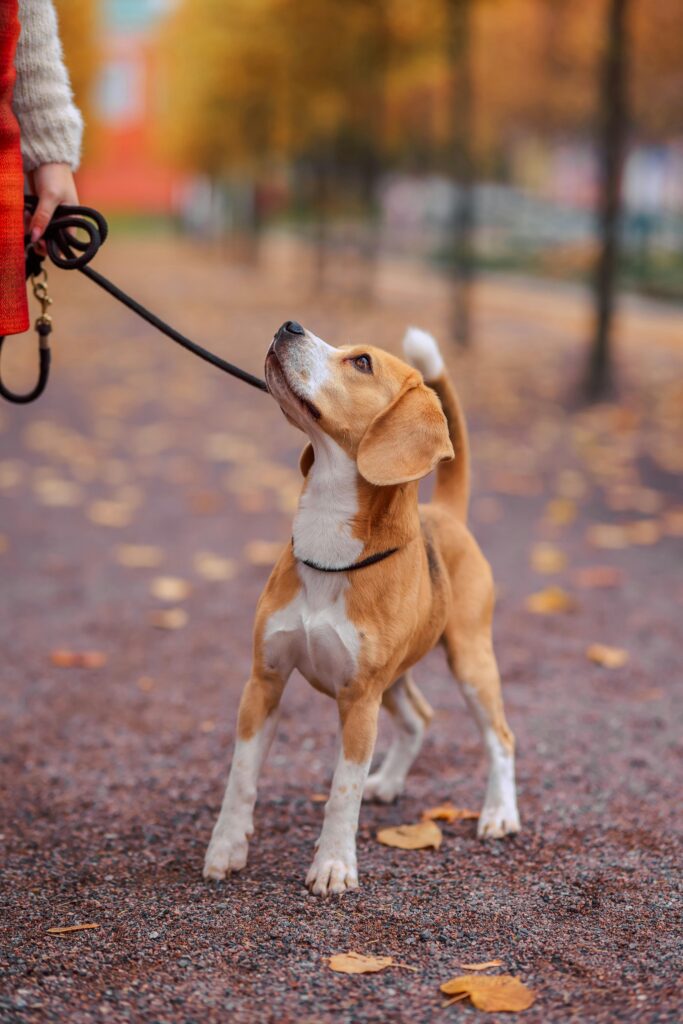
What Is Leash Reactivity?
Leash reactivity is when a dog displays exaggerated or aggressive-looking behavior, such as lunging, barking, or growling, while on leash.
This is different from true aggression. Many reactive dogs are actually frustrated, fearful, or overexcited. The leash restricts their choices, so they explode with energy.
Common Causes of Leash Reactivity
- Frustration: Dogs that want to greet other dogs or people but can’t may lunge or bark.
- Fear or insecurity: A nervous dog on leash may act big and loud to make the threat go away.
- Lack of structure: Dogs without clear leash rules often develop bad habits like pulling and lunging.
- Overstimulation: Busy environments overwhelm some dogs, and the leash adds tension.
- Owner tension: Dogs feel our energy. If you tense up, they often mirror that behavior.
Myths About Leash Reactivity
- “My dog is aggressive.” Not always. Reactivity is often rooted in fear or overexcitement, not true aggression.
- “It will go away on its own.” Without training, reactivity usually gets worse.
- “My dog just needs more socialization at the dog park.” Unstructured play often increases reactivity instead of reducing it.
- “Pulling means my dog is dominant.” Dogs pull because they haven’t been taught proper leash manners, not because they want to control you.
Proven Fixes for Leash Reactivity
1. Teach Structured Leash Walking
Loose leash walking is the foundation for reducing reactivity. Dogs that understand leash pressure and boundaries are less likely to explode at distractions. If your dog struggles, our Basic Obedience Training Program focuses on building leash communication and impulse control.
2. Build Focus Around Distractions
Reward your dog for looking at you instead of reacting to triggers. Use commands like sit, heel, or place when distractions appear. Start at a safe distance, then gradually close the gap as your dog succeeds.
3. Correct the Behavior Fairly
Reactivity cannot always be ignored. If your dog is lunging, you must interrupt the behavior with a firm, fair correction, then immediately guide them into a command they know.
4. Reinforce Calm Energy at Home
Reactivity often starts with overstimulation in the house or yard. Practice calm routines, structured play, and duration commands like down and place daily. Dogs that live with structure at home bring it with them on walks.
5. Avoid Overexposure Too Soon
Throwing a reactive dog into overwhelming environments (like crowded dog parks) will likely make things worse. Focus on structured training walks and controlled exposure instead. For tips on proactive training, see our blog on how to prevent leash reactivity before it starts.
When to Seek Professional Help
If your dog’s reactivity feels unmanageable or dangerous, professional training is the best solution. Trainers can identify whether the reactivity comes from fear, frustration, or lack of structure and design a plan specific to your dog.
Reliable Resources
For additional perspective on reactivity versus true aggression, the AKC’s article on reactivity vs. aggression offers valuable insights for dog owners.
Final Thoughts: Structure Reduces Stress
Leash reactivity is stressful, but it’s not permanent. By addressing the root cause, setting clear leash rules, and reinforcing calm focus, you can turn chaotic walks into calm, controlled outings.
Want to put an end to stressful walks? Contact us today and let’s create a plan to overcome your dog’s reactivity.