
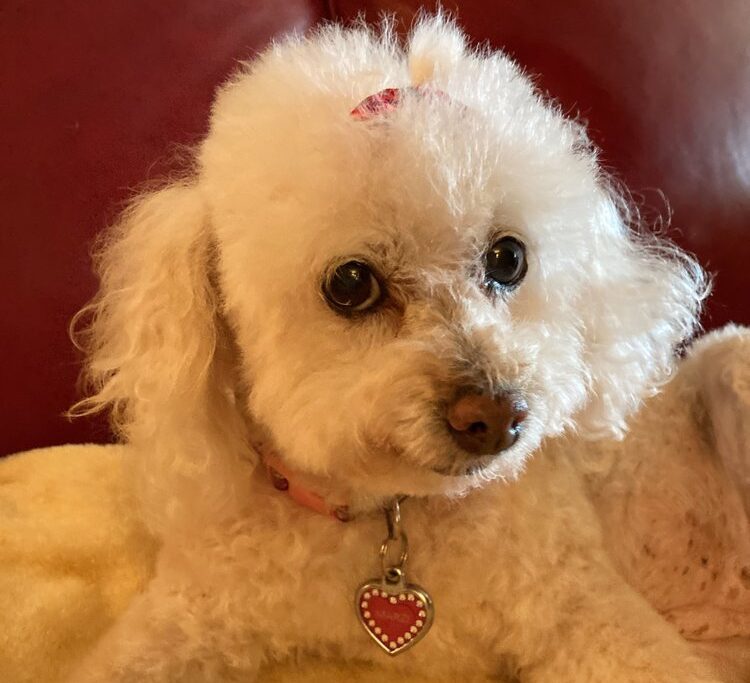
Why Grooming Matters for Your Dog’s Health and Comfort
If I could give every dog owner one simple “health and comfort” habit, it would be consistent grooming. Not for vanity, but because grooming helps you catch problems early, prevents painful matting, supports healthy skin, and makes your dog more comfortable in day-to-day life. It also pairs beautifully with training, because a dog who can stay calm for handling is easier to groom and safer for everyone involved.
In this post, I’ll explain what grooming really protects (beyond a clean coat), how to build a practical routine at home, and how obedience training supports calmer grooming appointments. I’ll also point you to a trusted local option in Winston-Salem: Fur Pet Salon and Day Spa, located at 390 North Broad Street.
Grooming is health care in disguise
When clients work with me at Off Leash K9 Training Winston, we talk a lot about prevention. We want to prevent bolting, prevent reactivity, prevent bad habits from becoming a lifestyle. Grooming is the same mindset. A regular grooming routine gives you a weekly “check-in” on your dog’s body, and that can make a real difference.
Here are a few of the big health wins grooming supports:
-
Skin and coat health: Brushing removes dead hair, distributes oils, and helps you notice rashes, hot spots, or dryness early.
-
Mat prevention: Mats can pull the skin, trap moisture, and cause irritation or infection, especially behind ears, under collars, and in armpits.
-
Paw comfort: Long hair between paw pads can trap debris. Overgrown nails can change posture and make walks uncomfortable.
-
Ear awareness: Gentle cleaning and routine checks help you notice redness, odor, or discharge sooner.
-
Parasite checks: Fleas, ticks, and irritation are easier to spot when you are hands-on regularly.
If you are already working on your dog’s confidence and daily routine, you may like this internal read too: Winter Training: Perfect Progress. Cold months can change coat needs and skin dryness, so the routine matters even more.
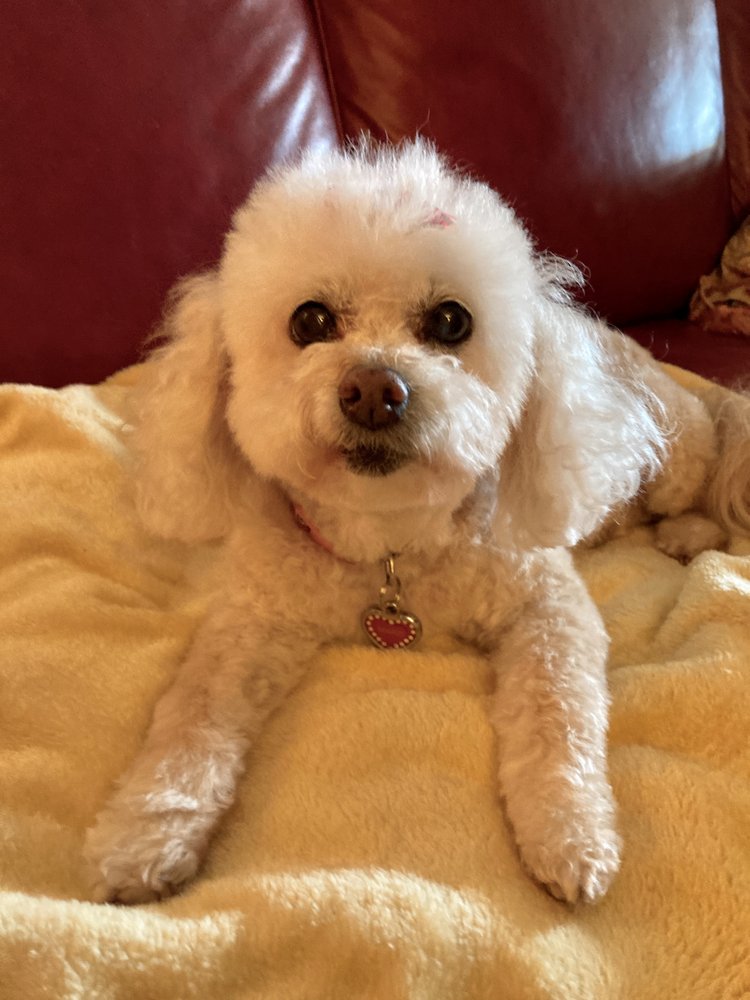
What a simple home grooming routine can look like
You do not need an elaborate setup. You need consistency, the right tools, and a plan you can actually follow.
Here’s a realistic weekly routine I recommend to many families:
-
Brush (2 to 10 minutes)
-
Short coat: 1 to 2 times per week
-
Medium to long coat: 3 to 7 times per week
-
Focus areas: behind ears, chest, armpits, belly, tail base
-
-
Paws and nails (2 minutes)
-
Quick paw pad check after walks
-
Nail trims as needed (often every 2 to 4 weeks)
-
-
Ears (30 seconds)
-
Look and sniff check weekly
-
Clean only when appropriate, and use vet-approved products
-
-
Bathing
-
As needed based on coat type, activity level, and skin needs
-
Overbathing can dry the skin, so ask your groomer or vet what fits your dog
-
A quick note on comfort: if your dog hates brushing or nail trims, forcing the issue often makes it worse. That’s where training comes in.
For a Winston-Salem grooming shop that offers professional styling and spa services, you can check out Fur Pet Salon and Day Spa or use their page to schedule an appointment. You can also reach them at 336-448-0767 or [email protected].
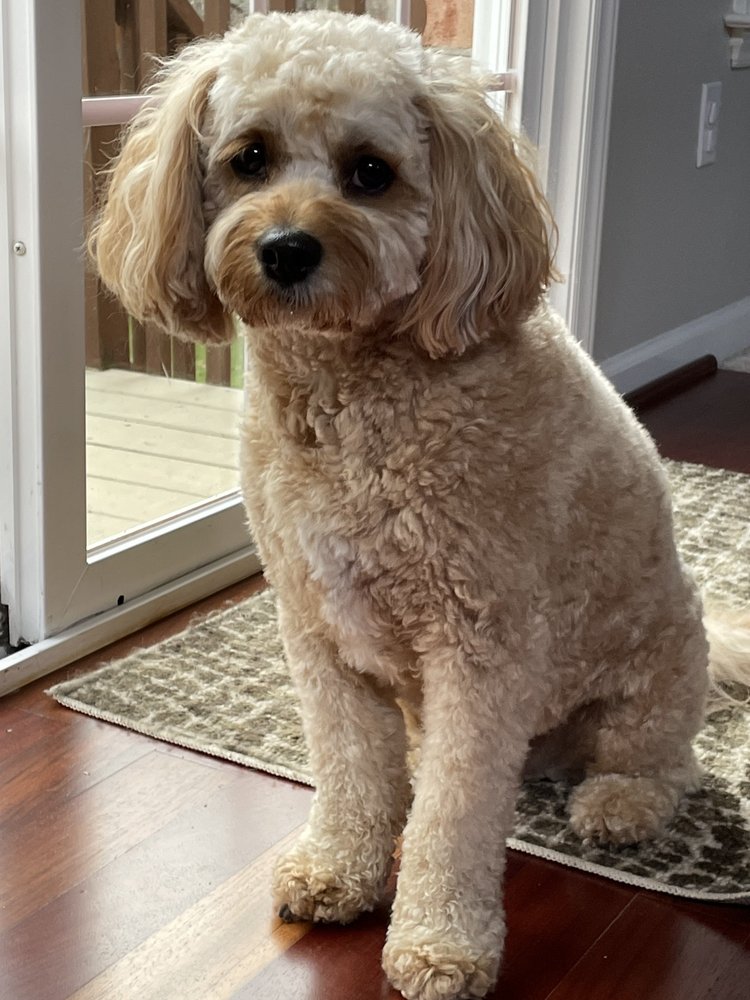
How training makes grooming calmer and safer
Many grooming problems are not “grooming problems.” They’re handling and impulse-control problems.
At Off Leash K9 Training Winston, I treat grooming as part of real-life obedience. We want a dog who can accept touch, follow direction, and recover quickly when something feels weird. That’s true for brushing. It’s true for nail trims. It’s true for the groomer’s table and dryer, too.
Training skills that directly support grooming:
-
Place: teaches your dog to settle on a bed or mat while you brush
-
Sit and Down: builds stillness and predictability
-
Leave it: helps with grabbing brushes, towels, and hands
-
Desensitization with structure: calm exposure in tiny steps, rewarded correctly
One of my favorite “cooperative care” setups at home:
-
Put your dog on a non-slip surface or a raised cot
-
Ask for Place
-
Brush for 10 seconds
-
Reward calm stillness
-
Repeat, slowly increasing time
That approach builds dog confidence and creates a pattern your dog can understand: calm behavior earns relief and rewards.
If your dog’s grooming behavior is tied to bigger issues like jumping, mouthing, or refusing to listen when excited, a training plan makes everything easier. You can explore our Dog Training Programs to see options like Basic Obedience, Private Lessons, and Board and Train, depending on what your dog needs most. (For many busy households, Board and Train is a great fit when you want fast structure and strong follow-through.)
For another helpful perspective on how everyday structure improves your dog’s life, here’s a second internal read: The Gift of Obedience Training.
When to get professional help with grooming and behavior
Some dogs truly need professional support, and that is not a failure. It’s responsible.
Consider booking a professional groom if you notice:
-
Persistent matting you cannot safely remove
-
Repeated ear redness or odor
-
Nail trims becoming a wrestling match
-
Skin irritation after bathing
-
Your dog panics with handling, dryers, or clippers
Pairing a good groomer with professional dog training is one of the best “quality of life” combinations I see. Clean coat, healthier skin, calmer behavior, better off-leash reliability because the dog is not living in constant discomfort.
Ready to make grooming easier?
Grooming is about comfort, health, and the relationship you build through calm handling. If your dog struggles with brushing, nail trims, or being touched, I can help you create a step-by-step plan that feels doable at home.
Reach out to Off Leash K9 Training Winston through our Contact Page and tell me what grooming tasks are hardest for your dog right now. We’ll build calmer habits that last.