Why Trainers and Veterinarians Both Prioritize Calm Dogs
As a professional dog trainer, one of the most common goals I discuss with owners is calm behavior. It does not matter if I am working with a young puppy or an adult dog with anxiety, calmness is the foundation for success. This is one area where Trainers and Veterinarians are always aligned. Both professionals understand that calm dogs are easier to teach, safer to handle, and healthier overall.
Through years of collaboration with veterinary teams, including trusted local clinics like Kernersville Veterinary Hospital, I have seen how training and veterinary care work best when they support the same goal. Calm dogs experience less stress, recover faster, and build more positive associations with both training sessions and medical visits.

Why Calm Behavior Matters in Training
From a trainer’s perspective, calm behavior allows dogs to process information clearly. When a dog is overly excited or anxious, learning slows down and frustration builds. Trainers and Veterinarians both see how emotional regulation directly impacts a dog’s ability to succeed.
Calm dogs are more likely to:
-
Focus on commands and handler cues
-
Retain lessons from previous sessions
-
Respond appropriately to distractions
-
Recover quickly from stressful situations
Training does not remove a dog’s personality. Instead, it gives them the tools to manage emotions in a way that supports learning and safety.
The Veterinary Perspective on Calm Dogs
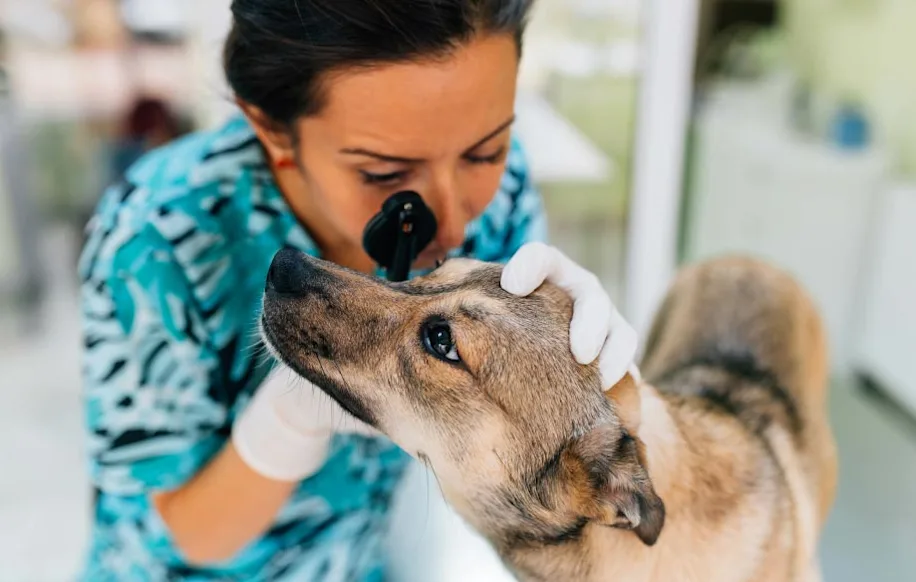
Veterinary clinics can be overwhelming for dogs. New smells, unfamiliar sounds, and strange handling can trigger fear responses. Trainers and Veterinarians recognize that calm dogs allow for safer, more effective care.
At clinics like Kernersville Veterinary Hospital, calm behavior helps veterinarians:
-
Perform exams without excessive restraint
-
Reduce stress for dogs and staff
-
Accurately assess pain or discomfort
-
Create positive experiences that improve future visits
If your dog struggles at the vet, speaking directly with their team through the Kernersville Veterinary Hospital contact page or calling 336-996-3748 can be a great first step toward improving those visits.
How Training Supports Better Vet Visits
One of the biggest benefits of obedience training is how well it transfers into veterinary settings. Trainers and Veterinarians often recommend similar strategies because they address the same challenges.
Training helps dogs learn:
-
How to settle in unfamiliar environments
-
Comfort with being handled on paws, ears, and mouths
-
Reliable responses to basic commands under stress
-
Confidence instead of fear in new situations
Seasonal routine changes can make this even more important. During colder months, reinforcing calm behaviors becomes easier with structured practice. This is why I often recommend strategies discussed in winter dog training and why cold months are prime for progress, especially for dogs who struggle during vet visits.
Calm Dogs Are Safer Dogs
Safety is one of the strongest reasons Trainers and Veterinarians prioritize calm behavior. Dogs that cannot regulate their emotions are more likely to react unpredictably. Calm dogs are better equipped to handle touch, pressure, and unexpected situations.
Calm behavior reduces:
-
Risk of injury during exams or procedures
-
Stress related health concerns
-
Fear based reactions or defensive behaviors
-
Negative associations with veterinary care
For dogs showing signs of fear based aggression or reactivity, structured intervention matters. Programs like our Aggressive Dog Training focus on emotional control first, which helps dogs become safer and more manageable in all environments.
Building Calm Through Obedience Training
Calm behavior is built through consistency and clear expectations. Trainers and Veterinarians both support obedience training because it provides dogs with structure they can rely on.
Dogs enrolled in a structured Basic Obedience Program often show improvements in:
-
Impulse control
-
Leash manners
-
Ability to settle in busy environments
-
Confidence during veterinary visits
Obedience training gives dogs a sense of predictability, and predictability builds calmness naturally over time.
Partnering With Your Veterinarian
The best results happen when trainers and veterinarians work together. Clinics like Kernersville Veterinary Hospital play a vital role by reinforcing the importance of behavioral training alongside medical care. When owners see that Trainers and Veterinarians are working toward the same goal, progress becomes faster and more consistent.
Open communication between your trainer and veterinarian helps create a plan that supports your dog both emotionally and physically.
Final Thoughts
Calm dogs live better lives. Trainers and Veterinarians prioritize calm behavior because it improves learning, safety, and overall health. With professional training and supportive veterinary care, dogs can learn to handle stressful situations with confidence instead of fear.
If you are ready to help your dog build calm behavior that carries into everyday life and veterinary visits, Off Leash K9 Training Winston is here to help. You can get started by reaching out through our contact page and taking the first step toward a calmer, more confident dog.