
Most dog owners in NC never plan on needing an emergency vet, but accidents and sudden illnesses do not wait for a convenient time. I tell my clients this up front because it builds trust: emergency vet preparedness is not fear-based. It’s practical. When you prepare your dog to be handled, transported, and guided calmly, you reduce stress for your dog and make it easier for veterinary teams to help quickly.
In this post, I’ll walk you through my training-based approach to emergency vet preparedness, including the habits I build with families at Off Leash K9 Training Winston-Salem Dog Trainers. I’ll also share a regional emergency clinic option and explain how simple obedience skills can make a real difference in urgent situations.
Emergency vet preparedness starts with calm handling and control
In an emergency, your dog may be in pain, confused, or overstimulated. Even a sweet dog can react unpredictably when something feels wrong. That’s why emergency vet preparedness is mostly about teaching calm cooperation before you ever need it.
Here are the areas I focus on first:
- Handling tolerance: collar holds, brief restraint, paw and ear touch
- Muzzle comfort (when appropriate): not because your dog is “bad,” but because safety matters
- Car readiness: loading calmly, riding without panic
- Leash control: walking with you in tight hallways and parking lots
- Settle skills: being able to pause and breathe when the environment is intense
A reliable foundation of obedience training supports all of this. It’s hard for a dog to feel safe when they don’t understand what you want them to do.
For a solid, high-authority guide on making veterinary visits smoother, the AVMA’s checklist is worth reading: 10 things you can do to make veterinary visits better for everyone.
A simple emergency vet preparedness plan you can practice at home
I like to keep emergency vet preparedness realistic. You do not need long sessions. You need short reps that build calm patterns.
1) Practice “collar touch” daily
This is a common trigger when dogs are stressed. Make it normal:
- Touch the collar gently
- Mark and reward
- Release
- Repeat for 30 seconds
2) Teach Place as your dog’s off switch
Place is one of the most useful life skills I teach at Off Leash K9 Training Winston-Salem Dog Trainers. It helps dogs settle when people are moving around, when you are packing up, or when you need the dog to pause.
This supports emergency vet preparedness because it teaches calm waiting, not frantic pacing.
3) Build calm car entries and exits
Do a few “practice reps” each week:
- Load calmly
- Sit for one second
- Exit calmly
- Reward
These reps are simple, but they create stability when you are rushed.
4) Strengthen recall and leash skills
Even if you do not need off-leash work in an emergency, strong responsiveness builds control. It’s a stepping stone toward better off-leash reliability, and it supports safe movement in parking lots and lobbies.
Regional Dog-Friendly Business Spotlight
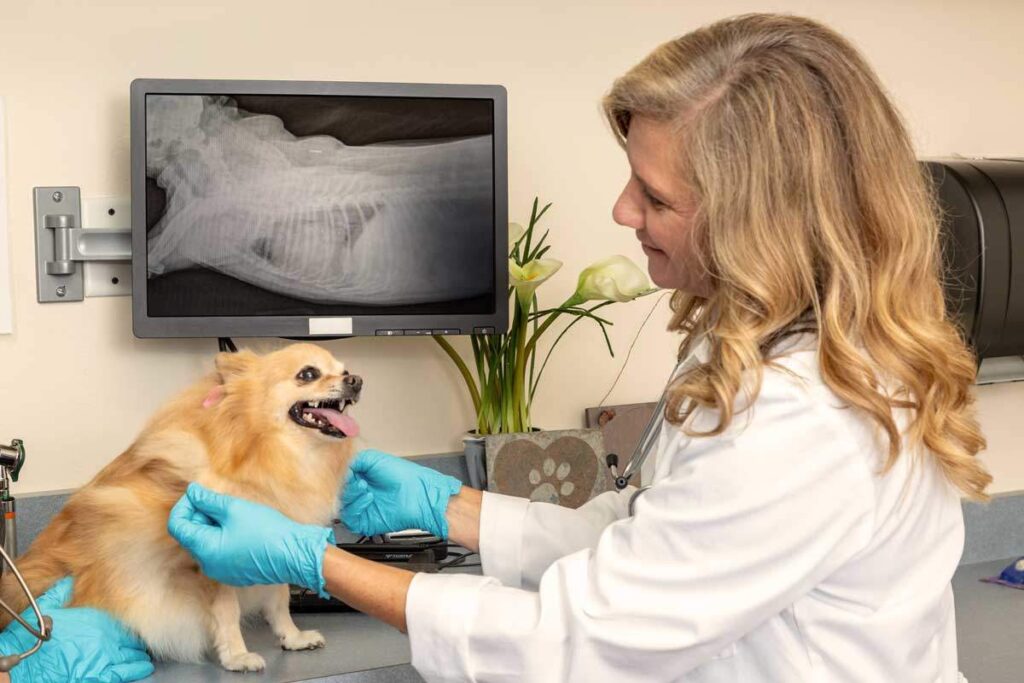
For dog owners in the Triad area, After Hours Veterinary Emergency Clinic (AHVEC) in Greensboro, North Carolina is a long-standing emergency option that serves pets from Winston-Salem, High Point, and surrounding communities. In urgent situations, having an established clinic in mind can save time and reduce decision stress.
Why this benefits dog owners:
- You are not scrambling to search for care while your dog is distressed
- A planned route and clinic choice supports calmer handling and faster check-in
- It reinforces why emergency vet preparedness is a safety skill, not just “nice manners”
You can learn more about their services here: After Hours Veterinary Emergency Clinic (AHVEC).
How Off Leash K9 Training Winston-Salem Dog Trainers builds emergency vet preparedness
At Off Leash K9 Training Winston-Salem Dog Trainers, I treat emergency vet preparedness as part of real-life training. The goal is not to make your dog tolerate everything. The goal is to give your dog structure and coping skills so they can move through stressful environments with more confidence.
Programs that commonly help with these goals include:
- Basic Obedience for impulse control and calmer responses
- Private Lessons for handling routines and individualized coaching
- Board and Train for dogs who need a stronger reset and consistent repetition
- Off-Leash Obedience later, once foundational calm and responsiveness are solid
If you want to explore the best fit for your dog, you can start with our Dog Training Programs.
This is where I see the biggest wins: dogs who used to panic during touch learn to stay still, dogs who used to pull into buildings learn to walk with their owners, and families feel more confident. That’s real behavior transformation, and it supports dog confidence long-term.
If your dog’s stress shows up during handling, grooming, or nail trims, this internal post is also a helpful companion: Why Grooming Matters for Your Dog’s Health and Comfort.
A day-of checklist that supports emergency vet preparedness
When something urgent happens, your own energy affects your dog. A quick checklist can help you stay steady.
Here’s what I recommend for emergency vet preparedness in the moment:
- Put the leash on calmly and avoid chasing your dog around the house
- Use a simple cue your dog knows (Sit, Place) to slow things down
- Bring high-value soft treats if your dog will take them
- Keep your voice calm and neutral
- In the lobby, reward small wins: quiet standing, a brief sit, eye contact
- If your dog is escalating, ask for a pause outside and reset
These steps do not fix everything instantly, but they reduce stress and support safer handling for everyone involved.
If you want your dog to be calmer with handling, car rides, and veterinary environments, emergency vet preparedness is a great place to start. Reach out to Off Leash K9 Training Winston-Salem Dog Trainers through our contact page and tell me what your dog does during vet visits, grooming, or stressful transitions. I’ll help you build a practical plan that supports confidence, obedience, and safer real-life reliability across NC.
