
When a dog is recovering from surgery, managing stiffness, or rebuilding strength after an injury, the home routine matters just as much as the appointments. That is where canine rehab training comes in. It is not a replacement for veterinary rehabilitation. It is the obedience, calm handling, leash control, and confidence-building structure that helps your dog follow the plan safely.
In this post, I’ll explain how I approach canine rehab training at Off Leash K9 Training Winston-Salem Dog Trainers, what owners can practice at home, and why calm structure can make recovery feel less stressful. I’ll also spotlight a regional dog-related business that supports mobility and recovery for pets in the Triad area.
Why canine rehab training supports recovery
When a dog is sore, restricted, or frustrated by limited activity, behavior can shift quickly. A dog who normally listens may start pulling, jumping, pacing, or resisting handling. That does not mean the dog is being stubborn. It often means the dog is uncomfortable, under-stimulated, or unsure about the new routine.
Canine rehab training helps by giving your dog predictable rules during a physically sensitive season.
Common recovery challenges I see include:
- Pulling too hard on short leash walks
- Jumping on furniture before the dog is cleared
- Refusing crate or rest time
- Struggling with paw, leg, or body handling
- Getting frustrated because normal exercise is restricted
- Overreacting to other dogs, visitors, or movement in the home
The goal is not to “push through.” The goal is to create calm cooperation. That means pairing the vet or rehab plan with practical obedience training skills that make the home environment safer.
For a helpful high-authority overview of veterinary physical rehabilitation, AAHA explains how rehab may support pets recovering from injury or surgery, as well as pets working on conditioning or mobility concerns: What is veterinary physical rehabilitation?.
Canine rehab training skills to practice at home
At Off Leash K9 Training Winston-Salem Dog Trainers, I keep canine rehab training simple, controlled, and consistent. You should always follow your veterinarian’s or rehab professional’s medical instructions first. Training should support that plan, not change it.
Here are the core skills I like to build.
1. Calm leash walking
Recovery walks are often short and controlled. If your dog pulls, lunges, or zigzags, that can create unnecessary strain.
Practice:
- Slow walking beside you
- Frequent pauses
- Gentle turns
- Rewarding a loose leash
2. Place for calm rest
Place teaches your dog to settle on a specific bed, mat, or cot. For recovery, this can help reduce pacing and jumping.
3. Handling tolerance
Many rehab plans involve touching legs, paws, hips, or shoulders. Your dog should learn that gentle touch is predictable and safe.
Start small:
- Touch the shoulder, reward calm
- Touch the paw, reward calm
- Hold briefly, reward calm
- Stop before your dog gets frustrated
4. Controlled transitions
Getting in and out of cars, crates, doorways, and beds can be risky if your dog rushes. A calm “wait” or “sit” can prevent sudden movement.
This is where canine rehab training creates real value. We are not just teaching commands. We are teaching your dog how to move through the day with more control and confidence.
If your dog struggles with restlessness during slower activity periods, this internal post may help you create better structure: Winter Boredom in Dogs, Common Signs and What to Do.
Regional Dog-Friendly Business Spotlight
Pawsitive Steps Pet Rehab and Fitness Clinic is located in Burlington, North Carolina, and serves pets in the Piedmont Triad area. Their clinic focuses on helping pets restore or maintain mobility, fitness, and comfort through rehabilitation services, including options such as underwater treadmill work, therapeutic exercise, acupuncture, laser therapy, and related modalities.
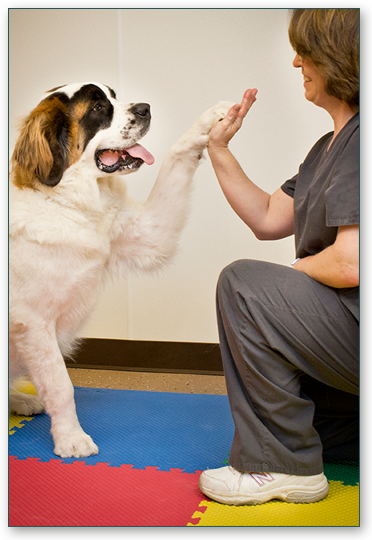
You can learn more about them here: Pawsitive Steps Pet Rehab and Fitness Clinic.
This type of resource can be valuable for dog owners whose pets are recovering from surgery, managing age-related stiffness, rebuilding strength, or working through mobility limitations. From a training perspective, canine rehab training helps your dog cooperate with that kind of care by improving calm handling, leash manners, and confidence around structured routines.
To be clear, Off Leash K9 Training Winston-Salem Dog Trainers is the training provider. Pawsitive Steps Pet Rehab and Fitness Clinic is the featured rehabilitation resource that may support dogs with mobility and recovery needs.
How training builds confidence during recovery
Recovery can be frustrating for dogs because their normal outlets may be limited. That is why canine rehab training should include mental work, not just movement control.
When physical exercise is restricted, I often recommend safe, low-impact enrichment such as:
- Food puzzles
- Short obedience sessions
- Calm scent games
- Place work during family activity
- Simple focus drills on leash
These activities support dog confidence without turning the dog loose to run, jump, or wrestle before they are ready.
At Off Leash K9 Training Winston-Salem Dog Trainers, I also focus on the owner’s consistency. Dogs do best when everyone in the home follows the same rules. If one person allows jumping and another blocks it, the dog gets confused. Consistency is what creates behavior transformation.
If you want a helpful companion read on why obedience improves daily life, I recommend The Gift of Obedience Training.
When canine rehab training needs professional support
Some dogs adjust quickly to recovery routines. Others need more help, especially if they were already anxious, reactive, or high-energy before the injury. If your dog is pulling hard, resisting handling, or getting more frustrated each week, a structured training plan can make the process easier.
At Off Leash K9 Training Winston-Salem Dog Trainers, we may recommend:
- Basic Obedience for calm control and better daily structure
- Private Lessons for handling routines and recovery-specific coaching
- Board and Train for dogs who need a stronger foundation and consistent repetition
- Later work toward Off-Leash Obedience once your dog is cleared and ready
You can explore our Dog Training Programs to see which option fits your dog’s needs.
The bigger goal of canine rehab training is simple: safer movement, better cooperation, and a calmer dog during a sensitive time. It also supports future off-leash reliability because your dog is learning to listen even when excited, uncomfortable, or distracted.
Ready to support a calmer recovery?
If your dog is recovering from an injury, surgery, or mobility challenge, you do not have to rely on guesswork. Canine rehab training can help your dog stay calmer, follow structure, and build confidence while you follow your veterinary care plan.
Reach out to Off Leash K9 Training Winston-Salem Dog Trainers through our contact page and tell me what your dog is recovering from, what restrictions they have, and what behaviors are making the process harder. I’ll help you build a practical plan that supports safer routines, better obedience, and a more confident dog.