
Bringing home a new puppy is one of the most exciting moments for any family. It also comes with real questions about how to help that puppy grow into a calm, well-adjusted dog who handles everyday life with more confidence and less stress. This guide covers what you need to know about puppy socialization, from the best age to start to the specific experiences that matter most for dog owners in Winston-Salem and the surrounding Triad area.
Key Takeaways
Puppy socialization is the process of exposing a puppy to new experiences in a safe, positive, and controlled way.
- The most sensitive socialization period happens during the first few months of life, with many sources placing the key window around 3 to 14 weeks and continued learning through about 16 weeks and beyond.
- Waiting until all vaccines are complete can mean missing valuable early learning time, so safe exposure should be discussed with your veterinarian.
- Socialization should be gradual, positive, and controlled. Flooding a nervous puppy with noise, crowds, or strange dogs often backfires.
- Basic obedience skills like sit, down, place, recall, and leash walking can help turn everyday outings into safe training opportunities.
- Professional support can help if your puppy shows ongoing fear, reactivity, or if you feel unsure about how to create safe positive experiences.

Helping Your New Puppy Feel Safe in a Human World
Puppies are not born automatically understanding the human world. Traffic, delivery trucks, doorbells, kids running through the yard, people wearing hats, dogs barking behind fences, and unfamiliar surfaces can all feel new or startling to a young puppy.
That is what socializing your puppy is about. It is the process of gently introducing your puppy to normal life so they learn that new sights, sounds, people, places, and handling are not automatically threatening. Good socialization helps a puppy build confidence without forcing them into situations they are not ready for.
The goal is not to make your puppy interact with everything. The goal is to help your puppy stay curious, calm, and able to recover when something new appears.
What Is Puppy Socialization?
Puppy socialization is structured, positive exposure at a young age to the sights, sounds, surfaces, people, animals, and handling a dog will encounter throughout life. The goal is for the puppy to view new experiences as safe rather than threatening.
This process goes far beyond meeting other dogs at the park. A useful puppy socialization checklist may include:
- Household sounds like vacuums, blenders, and doorbells
- Car rides through quiet neighborhoods and busier streets
- Visits to the vet or groomer
- Surfaces like tile, gravel, wet grass, carpet, and stairs
- People of different ages, sizes, and appearances
- Calm, vaccinated adult dogs
- Cats, birds, or livestock viewed from a safe distance
- Gentle handling of paws, ears, mouth, collar, and tail
Young puppies go through a sensitive socialization period during the first few months of life, when they are especially receptive to forming associations with new people, sounds, surfaces, places, and handling. Socialization should involve introducing puppies to various stimuli in a way that produces calm, neutral, or positive feelings. Simply being near something new is not enough. The puppy needs to feel comfortable, not just physically present.
Safe puppy classes, controlled meetings with older dogs, and guided walks around town are all examples of socialization in action. Learning continues beyond the early puppy stage, but those first few months are especially important.
Why Puppy Socialization Matters
Proper socialization helps build a confident dog that can relax in busy homes, walk calmly past distractions, and handle new environments like vet clinics, sidewalks, outdoor patios, and public spaces.
Without appropriate early socialization, the risks can be serious. Puppies may develop lasting fears, avoidance, anxiety, reactivity, or aggression later in life. Veterinary behavior experts have noted that behavior problems are a major welfare concern for young dogs and can contribute to relinquishment or euthanasia. Improper socialization can also lead to behavioral issues that are harder to address in adulthood.
Positive exposure during the critical socialization window can shape behavior for life. A puppy who learns to watch traffic from a safe distance without panicking is more likely to handle new situations with steady confidence as they mature. Positive experiences during this time may reduce the risk of future fear-based behavior and support a dog’s overall well-being.
Socialization can also make dog training easier. A puppy who feels safer in the environment is usually better able to focus on learning sit, down, recall, place, and leash walking. Gradual exposure helps build a foundation for calmer behavior, better focus, and more confident responses as the puppy matures.
When Should You Start Socializing a Puppy?
Socialization can begin as early as 3 weeks of age, when responsible breeders, fosters, or shelter staff may start gentle handling, mild sound exposure, and safe surfaces to explore. Many puppies go to new homes around 8 to 10 weeks, though some benefit from staying with their mother and littermates longer when they are receiving appropriate care and early socialization.
That means the clock is already ticking when your puppy comes home. You can begin gentle socialization as soon as your puppy settles into your home. The window does not slam shut at 16 weeks, but learning about new things may become slower and more effortful after that point.
Here is a simple early timeline:
| Age | Focus |
| 3 to 6 weeks | Breeder-led handling, mild sounds, litter interaction |
| 8 to 10 weeks | Home environment, family, car rides, household sounds |
| 10 to 14 weeks | Safe outings, puppy classes, meeting new people |
| 14 to 16+ weeks | Broader environments, continued positive exposure |
Socialization should happen through short, frequent, age-appropriate exposures rather than one long or overwhelming outing. Talk with your Winston-Salem veterinarian about vaccine timing and which environments are appropriate for your puppy.
Safe Puppy Socialization Experiences to Try
Think of this section as a practical socialization checklist. The more categories you cover safely, the stronger your puppy’s confidence can become.
People: Let your puppy meet various people, including adults, children who can follow rules, people wearing hats or uniforms, and individuals using mobility aids. Aim for exposure to both younger and older people in different settings. Keep greetings calm and brief.
Places: Quiet neighborhood streets, downtown sidewalks early in the morning, hardware store parking lots, and outdoor seating areas can provide helpful indoor and outdoor environments for learning. Pet stores should be approached carefully and only as your veterinarian’s vaccine guidance allows, since some areas may have frequent dog traffic.
Sounds and movement: Garbage trucks, leaf blowers, skateboards, bicycles, and school buses can all be introduced from a safe distance. Start where your puppy can still take treats, then gradually decrease distance as they gain confidence.
Surfaces: Grass, gravel, mulch, concrete, ramps, steps, carpet, and tile all help puppies learn that different textures are normal. You can even place treats on different surfaces and let your puppy explore at their own pace.
Other dogs and animals: Arrange controlled introductions with carefully chosen calm, healthy, vaccinated adult dogs. Puppy classes can also provide structured exposure to other puppies when they follow vaccine, sanitation, and supervision requirements.
Handling and care: Practice touching paws, ears, mouth, and tail. Simulate brushing, nail clipper sounds, and mock vet exams with plenty of rewards so your puppy learns that handling is routine.
Travel: Include short car rides around Winston-Salem with occasional safe stops. This helps your puppy build comfort with travel before longer trips or vet visits become stressful.
How to Socialize a Puppy Safely Before Full Vaccines
Many owners worry about disease risk, and that concern is valid. However, veterinary behavior guidance supports safe, controlled socialization before puppies are fully vaccinated because delaying all exposure until the vaccine series is complete can increase the risk of later fear, anxiety, or aggression.
The goal is not to ignore medical risk. The goal is to balance disease prevention with carefully managed, low-risk socialization.
Puppies may be able to begin carefully controlled socialization after an initial vaccine set, depending on your veterinarian’s guidance and the setting. Puppy socialization classes may begin early when they follow vaccine, sanitation, and supervision requirements.
Practical options may include:
- Carrying your puppy or using a stroller through busier areas
- Visiting a friend’s house where dogs are healthy and vaccinated
- Inviting dog-savvy friends or family members to your home
- Using clean indoor training facilities that require vaccination records
- Joining puppy classes that require age-appropriate vaccines
Avoid dog parks, areas with heavy dog urine or feces, and direct contact with unknown or unvaccinated dogs. Speak directly with your Winston-Salem veterinarian about balancing medical risk with behavioral needs.
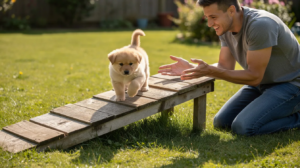
How to Socialize a Puppy Without Overwhelming Them
There is a major difference between a puppy who chooses to explore and one who is trapped in a noisy, chaotic situation. The first builds confidence. The second can create fear.
Watch for signs of stress, including:
- Tucked tail or pinned ears
- Lip licking, yawning, or panting when not hot
- Freezing, trembling, or hiding
- Refusing food
- Frantic pulling to escape
If your puppy shows any of these signs, reduce the intensity. Move farther away, shorten the session, or return to an easier version of the experience. A puppy hiding under a table at a restaurant may be overwhelmed. A puppy sniffing the ground and then settling at your feet with soft body language is likely doing well.
Keep socialization positive by introducing one new challenge at a time, keeping sessions short, letting the puppy retreat if needed, and ending on a small success. Never force contact with strangers, children, or strange dogs. A positive association with novelty is built through choice, not pressure.
Puppy Training Tips for Building Confidence
Training and socialization work together. When a puppy understands basic commands, every outing becomes more structured and less stressful.
Foundation skills: Sit, down, and name recognition help puppies feel grounded and give owners a way to guide behavior in new places.
Place command: Teaching a puppy to relax on a mat creates a portable “home base” that can be used in the living room, vet waiting room, or outdoor seating area.
Recall and leash walking: A reliable come command and calm leash walking allow controlled exposure around people, bikes, other dogs, and new environments.
Impulse control: Waiting at doors, leaving dropped food, and holding a sit while people pass can help puppies stay calmer in real life.
During socialization trips around Winston-Salem, use short, upbeat training sessions so your puppy practices focusing on you in distracting places. Even a little training during an outing can build confidence over time.
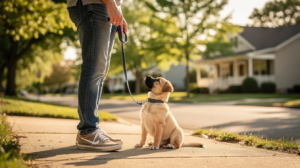
How Structure and Routine Support Socialization
Predictable daily rhythms help puppies feel safe. When a puppy has a consistent routine for feeding, potty breaks, crate time, play, and short training sessions, they are often better able to settle and recover between new experiences.
A simple weekday rhythm may include:
- Morning potty break, breakfast, and a short training session
- Mid-morning crate rest or nap
- Midday potty break and brief exposure to a new sound, surface, or car ride
- Afternoon nap and quiet chew time
- Evening meal, short training session, and calm family time
- Final potty break before bed
Consistency matters too. If one person allows jumping while another corrects it, the puppy gets confused. Everyone in the household should follow the same expectations around jumping, mouthing, barking, and furniture access.
Common Puppy Socialization Mistakes
Even well-meaning dog owners can make mistakes that set puppies back. The most common include:
Waiting too long: Delaying all safe exposure until after the full vaccine series can increase the risk of fear or reactivity later on.
Doing too much, too fast: Crowded places, loud events, and uncontrolled greetings can overwhelm a young puppy.
Forcing contact: Pushing a nervous puppy closer to something scary can make the fear worse.
Letting every stranger interact: Teach neutral behavior around passersby so your puppy does not expect attention from every person.
Punishing fear: Scolding a puppy for growling, hiding, or backing away can suppress warning signals instead of building confidence.
Inconsistent handling: Mixed rules from different family members slow progress and confuse the puppy.
Good puppy socialization is not about checking off as many experiences as possible. It is about creating safe, positive experiences your puppy can actually handle.
When Professional Puppy Training May Help
Some puppies need more structured support. Consider professional puppy training if you notice persistent fear of visitors, street sounds, or handling, growling or snapping during controlled introductions, strong reactivity to other dogs, or no improvement despite patient exposure.
A skilled trainer can demonstrate safe leash handling, coach the family through calm exposure, and help your puppy meet new challenges at the right pace. Options like puppy consultations, basic obedience lessons, and guidance around unfamiliar dogs can support confidence-building and better owner handling.
Final Thoughts on Puppy Socialization
Puppy socialization is about quality, not quantity. Small, well-managed positive experiences help your puppy build confidence, recover from new situations more easily, and grow into a calmer adult dog.
Patient exposure, clear puppy training tips, structure, and consistent dog obedience work can help reduce the risk of many behavior problems before they start. Proper socialization supports confidence, adaptability, and better everyday behavior at home and in public.
If you are a dog owner in Winston-Salem or the surrounding Triad area and want personalized help with puppy obedience, confidence-building, or socialization planning, reach out today to discuss your puppy’s needs. Local trainers can meet your puppy where they are, whether that means learning leash walking around the neighborhood or staying calm near other dogs at a park.
You do not have to figure this out alone. Getting support early can help your puppy build calmer home behavior, better manners, and more real-world confidence over time.
Frequently Asked Questions
How many new experiences should my puppy have each week?
Introduce puppies to new experiences through short, frequent, positive sessions when possible. Quality matters more than cramming everything into one exhausting weekend.
Can I socialize my puppy if I work full-time?
Yes. Short weekday sessions before and after work can still make a real difference. Quick car rides, calm neighborhood walks, and brief exposure to new rooms, surfaces, or sounds all count.
What if my puppy is afraid of older dogs in the neighborhood?
Avoid off-leash greetings and watch calm, friendly adult dogs from a distance first. Pair the sight of those dogs with treats or praise, then move closer only when your puppy looks relaxed.
Is a puppy class enough socialization on its own?
Puppy classes are helpful, but they cannot replace safe real-world experiences. Practice skills from class in appropriate places like quiet parking lots, a friend’s house, or low-traffic public areas approved by your veterinarian.
Can older dogs still benefit from socialization?
Yes, but progress may be slower. Older dogs can still learn to feel better about new things with careful exposure, rewards, and a plan that respects their comfort level.
