
If you have ever caught your furry friend snacking on something they definitely should not be snacking on, you are not alone. The question of why dogs eat poop is one of the most common and most cringe-worthy topics dog owners search for. The good news is that this behavior often has clear causes and practical solutions. This guide breaks down the medical reasons, behavioral factors, real risks, and step-by-step strategies that can help reduce the poop-snacking habit and support better choices over time.
Key Takeaways
- Eating poop, also called coprophagia, is a relatively common behavior. In one commonly cited study, 24% of dogs were observed eating feces at least once, while 16% were classified as serious stool eaters after being caught in the act five or more times. Frequent, sudden, or obsessive poop eating deserves attention.
- Causes range from normal instincts and learned behavior to underlying health issues like intestinal parasites, poor digestion, or nutritional deficiencies, as well as behavioral causes such as boredom, stress or anxiety, and attention-seeking behavior.
- Supervision, fast cleanup, impulse-control commands like leave it, recall, and place, along with routine and mental stimulation, are core strategies that can help reduce poop eating.
- Pet parents in areas like Winston-Salem, NC, can benefit from combining consistent home routines with professional dog obedience support when the behavior persists.
What This Behavior Means in Dogs
Coprophagia is the scientific term for a dog eating feces, whether it is their own poop, other dogs’ stool, cat poop from a litter box, or wildlife droppings found outdoors.
- Some dogs are occasional poop eaters, sampling a stool once in a while without any other symptoms.
- Others actively seek out feces on walks, in the yard, or near a litter tray in multi-pet homes.
- The behavior can be a harmless habit, a sign of stress, or a red flag for a medical problem. Context and frequency matter.
If you notice your dog eating poo regularly, take note of when, where, and whose poop they prefer. This information helps vets and trainers narrow down causes quickly.
Why Do Dogs Eat Poop?
So why do dogs eat poop in the first place? The answer is rarely a single cause. Here are the most common reasons:
- Instinct. Mother dogs naturally clean up after young puppies by consuming their waste, especially during the first few weeks after birth. Some experts believe stool eating may also reflect an inherited scavenging or den-cleaning tendency in dogs, but not every case of coprophagia is instinctive.
- Taste and scavenging. Some dogs are attracted to fresh poop, particularly stool that contains undigested food or fat. A dog eating cat poo from a litter box is especially common because cat food is high in protein.
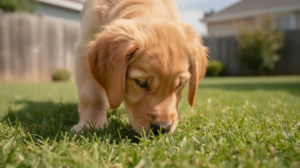
- Puppy exploration. Most puppies explore their world with their mouths, and some may taste feces out of curiosity. Puppies may also learn by watching their mother or other dogs, so early supervision and cleanup can help prevent the behavior from becoming a habit.
- Learned habits. Attention-seeking behavior, poor supervision, and easy access to dog poop or cat poop can turn a one-time event into a repeated habit. Dogs who eat stool and get a big reaction from their owner may repeat it because the behavior leads to interaction.
Is Poop-Eating Normal for Dogs?
Poo eating is more common than most owners expect. In one study summarized by AKC, 24% of dogs were observed eating feces at least once, and coprophagia was more common in homes with multiple dogs. In homes with three dogs, the behavior rose to 33%. The same summary notes that 92% of stool-eating dogs preferred fresh feces that were only one to two days old. Female dogs were also reported as more likely to eat poop than males.
It can be considered relatively normal for:
- Mother dogs caring for young litters
- Young puppies who are still exploring their environment
- An adult dog occasionally sampling stool outdoors without other symptoms
It becomes more concerning when an older dog suddenly starts eating feces obsessively, or when poop eating is combined with weight loss, vomiting, diarrhea, or behavior changes. In Winston-Salem and other busy neighborhoods, dogs with limited regular exercise, long periods alone, or small living spaces may develop the habit from boredom or confinement stress.
When Poop-Eating Could Be a Health Concern
Before focusing only on training, it is important to consider possible medical causes, especially if the behavior is sudden, frequent, or paired with other symptoms. Nutritional problems, poor digestion, increased appetite, parasites, or certain health conditions may contribute to coprophagia, so a veterinary check is a smart first step when the pattern is new or concerning.
Key health-related triggers include:
- Dietary deficiency or low-quality dog food that leaves the dog lacking essential nutrients
- Digestive disorders like exocrine pancreatic insufficiency, which may lead dogs to consume their own waste because food is not being properly broken down
- Intestinal parasites such as roundworms, hookworms, or Giardia that may affect digestion, appetite, stool quality, or overall health
- Endocrine or metabolic medical conditions that increase hunger, including diabetes or thyroid issues
- Certain medications that may increase a dog’s appetite and lead to coprophagia
Veterinary evaluation is advised if an adult dog suddenly starts eating feces. Bring a stool sample and a detailed history of your dog’s diet, feeding schedule, and any recent stressors.
Behavioral Reasons Dogs Eat Poop
When medical issues are ruled out, behavioral factors are usually behind the habit. Common reasons for coprophagia include hunger and behavioral issues, and understanding these patterns helps owners respond effectively.
- Attention seeking. Some dogs eat poop to seek attention from their owners. If grabbing a stool triggers chasing or loud reactions, the dog may see it as a game.
- Stress or anxiety. Some dogs may eat poop as part of stress-related or anxiety-related behavior. This can include dogs left alone for long periods, crated too long, or adjusting to major household changes. In some cases, boredom or lack of stimulation may also contribute to the habit.
- Boredom. A dog engaged in too little physical stimulation or mental stimulation may start eating things they find in the yard, including their own poo.
- Fear of punishment. Dogs may eat feces to hide evidence of indoor accidents due to fear of punishment, making the problem harder to solve rather than easier.
- Social learning. In multi-dog homes, dogs who eat stool around other dogs can pick up the habit as learned behavior.
Is Eating Poop Dangerous for Dogs?
While many dogs eat poo and appear fine, the risks are real. Eating poop can expose dogs to harmful bacteria and viruses, so dismissing the habit is not wise.
- Eating their own poop carries lower risk than eating feces from unknown animals
- Intestinal parasites like roundworms, hookworms, whipworms, and giardia can all be transmitted through stool
- Bacteria such as Salmonella and Campylobacter may be present in feces
- A dog eating cat poo from litter boxes may also ingest clumping litter, which can cause stomach upset or blockages
- Stool from animals on certain medications or dewormers may contain residues that could be risky, especially when dogs eat feces from livestock, wildlife, or unknown animals.
Keep parasite prevention current, wash hands after cleanup, and contact a vet if your pet develops vomiting, diarrhea, lethargy, or blood in the stool after poop eating.
How to Stop a Dog From Eating Poop
There is no single trick to stop eating poop, but layered management often works best. Here is what can help:
- Supervise closely. Keep dogs on a leash or long line outdoors so you can redirect them before they reach a stool. Limit your dog’s access to poop immediately after they defecate.
- Clean up fast. Daily yard sweeps in Winston-Salem backyards and shared pet areas reduce opportunities. The fewer stools available, the less the dog can practice.
- Feed on a schedule. Predictable feeding times help owners anticipate bowel movements and be present to interrupt and reward.
- Dietary changes. Work with your vet on improving diet quality if needed. Some owners try approved supplements that alter stool taste, but these should support training, not replace it.
- Add structure. Regular exercise, training sessions, and downtime reduce boredom. Provide mental stimulation to reduce boredom-related poop eating. Crate training can help prevent puppies from eating poop when unsupervised. Use a pet gate to block access to areas where cat litter or a litter tray is kept.
Dog Training Tips for Better Impulse Control
Reliable dog training tips for impulse control are the backbone of a long-term fix. These skills help stop your dog from eating poop in real-world settings like Winston-Salem neighborhoods, parks, and apartment lawns.
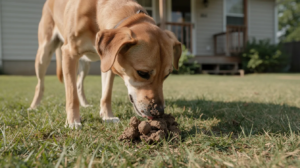
- Leave it command. Teach your dog to turn away from items on the ground, starting indoors and building to outdoor distractions. Teach your dog commands like “leave it” to prevent coprophagia.
- Recall. A solid come-when-called command lets you call your dog away from fresh poop, cat poop, or wildlife droppings before they reach it.
- Place command. Sending the dog to a mat or bed after toileting helps them move away from their own poop while you clean up.
- Leash skills. Loose-leash walking gives owners better control near high-traffic pet areas where dog poop may be present.
- Positive reinforcement. Use positive reinforcement to train dogs to avoid poop. Rewarding good behavior around food, toys, and trash carries over to better choices around feces. Consistent, reward-based work on impulse control is especially effective for dogs who eat poo as part of broader scavenging habits.
Common Mistakes Owners Make When Trying to Stop Poop-Eating
Frustration is normal. But certain reactions actually make things worse:
- Punishment. Yelling, chasing, or scolding when the dog grabs poop can create more anxiety, encourage gulping, or reinforce attention-seeking behavior.
- Quick-fix reliance. Adding pineapple, hot sauce, or commercial taste-aversion products alone is unlikely to solve the problem without supervision and training alongside it. Some studies have found low success rates for commercial products, and some home remedies may irritate a dog’s stomach or create other problems.
- Leaving old poop in the yard. Unsupervised access to a yard full of old stool lets the habit grow stronger over time.
- Inconsistent rules. Sometimes laughing, sometimes scolding, confuses the dog and slows progress.
- Giving up too soon. Track small wins. Fewer poop-eating episodes this week compared to last week is real progress.
When to Call a Veterinarian
Contact your vet if:
- Poop eating starts suddenly in a previously non-poop-eating adult dog, especially alongside changes in appetite, weight, or energy
- You notice other symptoms such as weight loss, constant hunger, vomiting, diarrhea, blood in stool, lethargy, or pale gums
- Your dog is regularly eating cat poop, horse manure, or droppings that may contain medications, pesticides, or other toxins
- Home efforts to reduce poop eating, including dietary changes and supervision, have not helped over several weeks
Bring a detailed history of your dog’s diet, schedule, when the behavior started, and a fresh stool sample so your vet can give accurate, specific advice.
When Professional Dog Training May Help
Some dogs need more than management at home. Professional training may help if your dog has:
- Intense scavenging habits or strong fixation on other animals’ feces
- Poor recall or unreliable responses to “leave it” around distractions
- A pattern of ignoring commands outside, pulling on leash, or general impulsivity
Training programs focused on recall, leash manners, obedience around distractions, and impulse control can make it easier to redirect a dog away from poop during walks, playtime, and potty breaks. Owners with busy schedules in Winston-Salem may benefit from guided training plans that blend at-home practice with expert coaching, especially through structured puppy programs or private behavior work.
Final Thoughts: Helping Your Dog Move Past Poop-Eating
Understanding why dogs eat poop is the first step. The answers can involve instinct, medical reasons, behavioral patterns, and environmental gaps. Many dogs can improve with the right combination of supervision, training, routine, and veterinary guidance when needed.
The core formula is straightforward: rule out medical issues with your vet, tighten supervision and cleanup, build impulse-control skills through consistent dog training tips, and create a calmer, more predictable daily routine with enough physical and mental stimulation to reduce boredom.
Do not feel embarrassed about asking for help. If your dog’s poop-eating habit is part of a bigger picture of ignoring commands, pulling on leash, or struggling with impulse control at home, working on overall obedience can make daily life more manageable for both you and your pet. Owners in the Winston-Salem area looking for stronger impulse control, better recall, and a calmer home routine can reach out today.
FAQs
Below are answers to common questions about dogs and poop eating that may not have been fully covered above.
Is it normal for dogs to eat poop?
Occasional poop eating is a relatively common behavior, especially in puppies and mother dogs, and can be part of natural behavior rooted in canine instincts. However, frequent, obsessive, or suddenly new poop eating in an adult dog is not considered normal and should be discussed with a veterinarian or trainer to rule out medical or behavioral issues.
Can eating poop make my dog sick?
Many dogs eat poop without obvious illness, but there is always some risk of intestinal parasites, harmful bacteria, or exposure to medications in another animal’s stool. Keep parasite prevention current, clean the yard regularly, and call your vet if your dog shows signs like vomiting, diarrhea, or unusual tiredness after eating feces.
Why does my puppy eat poop all the time?
Most puppies commonly explore their world with their mouths and may copy their mother or littermates, which makes poop eating more frequent at a young age. Supervision, fast cleanup, rewarding the puppy for moving away from stool, and building good potty routines usually help most puppies grow out of the habit as they mature.
How do I stop my dog from eating poop in the yard?
Start with daily poop pickup so your dog has fewer targets. Supervise potty breaks on a leash or long line, practice “leave it” and recall, and reward your dog for coming away from fresh poop. Setting a specific time each day for yard cleanup helps busy households in Winston-Salem and elsewhere stay consistent.
When should I call a vet about poop-eating?
Call your vet if the behavior starts suddenly, happens many times a week, or appears alongside changes like weight loss, increased thirst, vomiting, or diarrhea. A vet visit is also wise if your dog is regularly eating cat poop, has not had recent parasite testing, or if your home efforts to stop eating poop have not produced improvement over several weeks.
