
If you have ever stepped into the backyard to find fresh holes scattered across your lawn, you are not alone. Many dogs in Winston-Salem neighborhoods, suburban homes, and even small yards dig holes for a variety of natural reasons. Understanding why do dogs dig holes is essential for protecting your garden, flower beds, and fence line. Dogs dig holes due to instinctual behaviors such as hunting prey, creating a cool resting spot, or burying items. Additionally, emotional factors like boredom, anxiety, and excess energy often drive digging. Recognizing these reasons is the first step toward managing and redirecting this common canine behavior effectively.
Key Takeaways
- Dogs dig holes for many reasons, including instinctive behavior like temperature control, hunting prey, and denning, as well as emotional triggers like boredom, anxiety, and frustration.
- Punishment after the fact usually does not work because most dogs cannot connect a correction to digging that happened minutes or hours earlier.
- Supervision, daily exercise, mental enrichment, and a predictable routine are the foundation for reducing digging in the yard.
- Obedience skills such as recall, place, the leave it command, and calm leash walking give owners real tools to redirect digging and build calmer yard behavior.
- When digging is persistent or tied to escape attempts, stress, or anxiety, professional dog training may be a helpful next step.
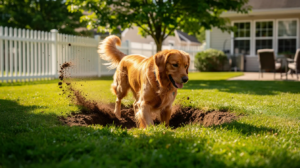
If you have ever stepped into the backyard to find fresh holes scattered across your lawn, you are not alone. Many dogs in Winston-Salem neighborhoods, suburban homes, and even small yards dig holes for completely normal reasons. Understanding why dogs dig holes is the first step toward protecting your garden, your flower beds, and your fence line.
While digging is natural, it becomes a problem when it tears up your grass, exposes roots, or creates escape routes under the fence. This post covers both the “why” and the “how,” walking through instinct, boredom, heat, escape, and anxiety before moving into training, structure, and safe yard management strategies you can start using today.
Why Do Dogs Dig Holes?
Dogs dig for instinctual, behavioral, and environmental reasons. Most dogs are not being “bad” when they dig. They are following deeply wired instincts that served their ancestors well.
Natural digging instincts include den building, making a cool spot in the earth during summer heat, hunting small animals in the ground, and burying food or favorite toys for later. Dogs may dig as part of a hunting instinct when they detect burrowing animals beneath the soil. Certain dog breeds are more inclined to dig due to their historical roles. A terrier bred to chase prey underground or a husky bred for cold climates will often show stronger digging drives than a breed developed for lap companionship.
Modern backyards and suburban fences in places like Winston-Salem can limit a dog’s natural outlets for movement, sniffing, and exploration. When a dog has energy, curiosity, or instinctive digging behavior with nowhere appropriate to direct it, digging holes may show up more often at home than on structured walks.
Common Reasons Dogs Dig in the Yard
Here are the most frequent, real-world causes of dogs digging holes outside:
- Boredom and excess energy. Boredom often leads dogs to dig excessively. Dogs left in the yard for long periods without interaction, play, or structured exercise will find their own fun, and digging is one of the most satisfying outlets. Young, active pets are especially prone.
- Anxiety and frustration. Digging can be part of stress-related or anxiety-related behavior for some dogs. Separation anxiety, barrier frustration at the fence line, or reacting to other dogs and people walking by can lead to repeated digging in specific hot spots. If your dog seems anxious or restless before digging, it may be worth discussing the behavior with a veterinarian or qualified trainer.
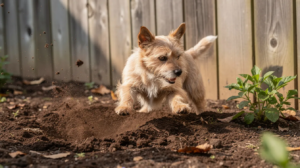
- Hunting and smells. Dogs may dig when they hear or smell small animals such as rodents, moles, or voles beneath the soil. For some dogs, especially breeds with strong prey drive, these underground scents can trigger intense digging near garden beds, fence lines, or soft soil.
- Escape attempts. Some dogs dig to escape from enclosed areas. They may tunnel under a fence to chase wildlife, reach other dogs, or simply explore. This is dangerous and represents a serious safety concern.
- Temperature and comfort. Digging helps dogs find cool spots on hot days. During warm North Carolina summers, dogs love to expose the cool earth below the surface and lie in the depression. In cold months, they may dig a sheltered rest area instead.
- Hiding and caching. Dogs dig to bury food or toys for later. This is especially common in multi-dog households where pets worry about sharing resources. A dog may bury a chew, bone, or treats and return to check on them later.
Is Digging Normal Dog Behavior?
Dog digging is a normal, species-typical behavior, similar to barking or sniffing, and it is usually more realistic to redirect it than try to erase it completely. Many dogs engage in occasional, playful digging without it ever becoming a serious problem.
The difference lies in frequency and intensity. A few scrapes in a flower bed during excited play is very different from a dog that creates multiple large holes on a daily basis. Look at context: playful, habit-based digging often happens during zoomies or in one favorite digging spot. Stress-related digging tends to be linked to thunder, sirens, being left alone, or constant pacing along the fence.
Indoor “digging” at beds or blankets is also normal nesting behavior. Pregnant female dogs may dig to create a den-like area for whelping, which is an entirely instinctive behavior. If your dog is bored and digs indoors too, it may be a sign they need more constructive outlets for their energy.
Normal does not mean you have to accept a destroyed lawn. It means training and management should focus on redirecting, not punishing the dog for being a dog.
When Digging Becomes a Problem
Digging crosses into problem behavior when it risks safety, causes repeated property damage, or signals significant emotional distress.
Watch for these red flags:
- Digging under fences to escape the yard
- Repeated holes around utilities, foundations, or garden structures
- Obsessive digging in one spot with broken nails or injured paws
- Chewing and digging combined along fence lines
- Attention-seeking behavior that escalates when ignored
Digging related to anxiety, noise sensitivity, or separation issues can indicate the dog needs more support than physical yard deterrents alone. If storms or loud noises trigger your dog’s digging, a calm training plan and guidance from a veterinarian or qualified trainer may be a better starting point.
Punishment after the fact usually does not work. Most dogs do not connect scolding with the earlier act of digging, which can increase fear without reducing the behavior. At this point, owners should focus on supervision, training, and structure rather than relying only on physical deterrents.
How to Stop a Dog From Digging Holes
Successfully stopping a dog from digging holes means changing both the dog’s daily routine and the environment. Here is where to start:
- Supervision. Do not leave dogs unsupervised in the backyard for long periods, especially young or energetic dogs still practicing digging habits.
- Exercise. Dogs need daily physical activity to help reduce boredom and restlessness. Structured walks, fetch, short training sessions, and age-appropriate play can give your dog better outlets for energy and may reduce the urge to dig.
- Enrichment. Puzzle toys, scent games, chew items, and short training sessions can give dogs mental work that competes with the urge to dig. Use outdoor enrichment safely and supervise items that could be chewed apart or swallowed. Daily interaction is usually more helpful than simply giving a dog access to the yard.
- Routine and structure. Regular feeding times, walk times, and quiet rest periods help many dogs feel calmer. A predictable schedule can reduce restlessness and make it easier to spot patterns around digging. For families juggling busy lives, building structure into your routine can make a meaningful difference.
Dog Training Tips for Redirecting Digging
Dog training tips give owners real tools to redirect digging in the moment, instead of only reacting after holes appear.
- Recall. A strong recall lets you call the dog away from a digging spot and reward them for coming. You catch the behavior early and interrupt it without yelling.
- Leave it command. This teaches the dog to disengage from tempting areas such as flower beds, the fence line, or spots where other dogs have been eating or marking.
- Place command. Teaching the dog to relax on a mat or cot gives them a clear job when outside with the family, lowering pacing and digging in the yard. If your dog tends to ignore commands outside, start practicing in low-distraction settings first.
- Impulse control. Simple exercises like sit, down, stay, waiting at doors, and calm leash walking help dogs learn to manage their energy before acting. This makes digging less automatic over time.
Redirect your dog to the designated area when they dig elsewhere. Training sessions can help your dog see the yard as a place to listen, settle, and engage with you instead of only a place to dig. For some high-drive dogs, structured activities such as scent work, supervised digging games, or breed-appropriate sports can provide a constructive outlet for energy.
Consistency among family members and short daily practice sessions are more effective than occasional, intense efforts to stop digging.
Safe Yard Management and Deterrent Ideas
Effective yard management reduces opportunities for digging while training and routine changes take effect.
- Secure fencing. Reinforce fence bottoms with buried wire, concrete pavers, or gravel strips along the fence line to discourage digging and prevent escape. If your dog also bolts through openings, work on recall, leash control, and boundary training so yard exits are easier to manage.
- Shade and comfort. Provide shade, fresh water, and a comfortable resting area so dogs are not driven to dig for a cool spot during hot Winston-Salem summers. Rocks or flat stones placed in sunny areas can also deter digging.
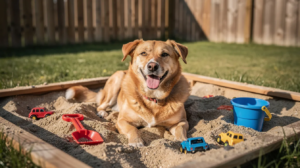
- Designated digging zone. A sandbox or section of loose soil can provide an approved digging area for dogs who strongly enjoy the behavior. Fill the area with sand or loose dirt, bury toys or treats to encourage use, and praise your dog for digging there. Redirect your dog to the designated area whenever they start digging in the lawn, garden, or another off-limits spot.
- Humane deterrents. Temporary garden fencing, chicken wire laid safely under mulch, gravel strips, or large flat stones in favorite digging locations can help discourage digging while training is in progress. If you use ground cover plants, choose dog-safe, non-toxic options and avoid anything your dog may chew or ingest.
- What to avoid. Never use chemicals, sharp objects, or poop in holes as deterrents. These methods are dangerous, can injure the dog, and create fear of the yard itself.
Common Mistakes to Avoid When Managing Digging
A few common mistakes can undermine your progress and make dog digging harder to manage:
- Punishing after discovery. Correcting the dog after the hole is found damages trust without teaching what behavior is wanted instead.
- Relying only on deterrents. Filling holes with rocks without addressing boredom, anxiety, or lack of structure leaves the root cause untouched.
- Assuming the yard equals exercise. Many dogs need guided exercise, structured play, and mental work, not just access to the house and yard.
- Giving attention during active digging. Running toward a digging dog can unintentionally reward the behavior if the dog craves interaction.
- Inconsistent rules. If one family member allows digging and another tries to train against it, the dog stays confused and progress stalls.
When Professional Dog Training May Help
Some digging problems are intense, long-standing, or tied to anxiety that basic management may not fully address. If your dog repeatedly escapes under the fence, digs obsessively, or cannot relax outside even with more exercise and enrichment, professional support may help identify the cause and build a safer plan.
A qualified trainer can assess whether digging stems from boredom, anxiety, fear, or deeply practiced habit and then build a customized obedience and behavior plan. Private lessons, behavior consultations, and immersive training programs can all strengthen recall, place, impulse control, and calm yard behavior.
Owners in Winston-Salem and the surrounding Triad area can look for experienced local trainers who focus on clear communication, consistency, and practical training goals for both dog and owner. An obedience training program built around your dog’s specific needs can help create calmer, safer yard routines over time.
Final Thoughts
Understanding why dogs dig holes is the first step to changing the behavior in a fair and effective way. Most dogs dig for normal reasons, including instinct, boredom, temperature regulation, stress, or anxiety. Focusing on supervision, structure, enrichment, and obedience is usually more effective than punishment after the fact.
Dog training tips like recall, leave it, and the place command help owners redirect digging in real time instead of only discovering the damage after the fact. Combined with a consistent routine, appropriate exercise, and smart yard management, many digging problems can improve over time.
If digging has become a daily struggle and you feel stuck, reaching out to a qualified local trainer can help you build calmer, safer yard routines with your dog. The right structure and skills make all the difference for both ends of the leash.
FAQs
Below are quick answers to common questions about dogs and digging.
Why does my dog keep digging holes in the yard?
Repeated digging is usually driven by one or more core causes: boredom, extra energy, instinct, temperature control, anxiety, or interest in smells and small animals underground. Try observing when and where the dog digs to narrow down the trigger. Increasing daily exercise, adding mental enrichment, and supervising outdoor time will reduce opportunities to practice the habit.
How do I stop my dog from digging under the fence?
Start by improving supervision and limiting unsupervised yard time until the escape habit is under control. Reinforce the base of the fence with buried wire, concrete edging, gravel strips, or pavers. Teach a strong recall and the leave it command so you can interrupt digging along the fence and call the dog back for a reward.
Is digging a sign my dog is bored?
Boredom is one of the most common reasons dogs dig, especially young, active dogs or those left alone in the yard for long stretches. Other signs include pacing, chewing outdoor objects, barking at nothing, and frantic greeting behavior when owners return. Adding daily walks, play sessions, training practice, and puzzle feeding gives your dog more to do than dig.
Should I punish my dog for digging?
Punishing a dog after the hole is found usually does not work because dogs rarely connect the punishment to something they did minutes or hours earlier. Harsh corrections can make some dogs fearful of the yard or of their owner approaching them. Focus on prevention, redirection with commands like recall and place, and rewarding calm behavior instead.
Can training help stop digging behavior?
Yes. Training can help reduce digging when combined with supervision, exercise, and yard management. Obedience skills such as recall, leave it, place, and good leash manners give owners clear ways to interrupt and redirect digging into better behaviors. For chronic or anxious diggers, working with a professional trainer can help build structure, impulse control, and calmer yard routines.
