
Leaving your dog at a boarding facility can be a big change, especially if they are used to spending most of their time at home with you. Good dog boarding preparation can make that transition much easier by helping your dog become comfortable with routines, separation, unfamiliar handlers, and new environments before their stay begins.
At Off Leash K9 Training Winston-Salem Dog Trainers, I encourage owners to prepare well before drop-off day. Reliable obedience, calm crate behavior, leash manners, and the ability to settle independently can all help your dog handle boarding with more confidence.
Whether you are planning a weekend getaway or a longer trip, these practical steps can help prepare your Winston-Salem dog for a smoother boarding experience.
Why Dog Boarding Preparation Matters
Boarding introduces your dog to several changes at once. They may sleep somewhere unfamiliar, follow a different schedule, interact with new caregivers, and encounter unfamiliar dogs, sounds, and smells.
That is why dog boarding preparation should begin before you start packing your suitcase.
Dogs who already understand basic routines are often easier for caregivers to manage. Some of the most useful skills include:
- Walking politely on leash
- Sitting before going through doors
- Coming when called
- Remaining calm in a crate or kennel
- Allowing another person to handle the leash
- Eating on a predictable schedule
- Settling without constant attention
These behaviors do not guarantee that every dog will enjoy boarding, but they create useful structure when your dog’s normal routine changes.
The American Kennel Club recommends researching boarding facilities in advance, touring potential kennels, discussing your dog’s individual needs, checking health requirements, and considering a trial stay before committing to a longer boarding period.
Practice Independence Before the Stay
One important part of dog boarding preparation is helping your dog become comfortable when you are not nearby.
If your dog follows you from room to room all day, suddenly spending several nights away from you may feel like a dramatic change. You can make independence a normal part of everyday life before the boarding stay.
Start small.
Ask your dog to remain on place while you move into another room. Provide scheduled crate or quiet time after exercise. Practice leaving the house for manageable periods without creating an emotional departure.
When you return, keep the greeting calm until your dog settles.
The goal is not to reduce your relationship with your dog. It is to teach them that being temporarily separated from you is safe and predictable.
Reliable obedience can also make these exercises easier. Our article about the gift of obedience training explains how foundational commands can improve communication in everyday situations.
Make the Crate or Rest Area Familiar
Even dogs participating in group activities at a boarding facility may have periods of individual rest. A dog who has never learned how to relax in a designated space may find these transitions challenging.
Include comfortable confinement in your dog boarding preparation routine.
Practice after a walk or training session when your dog is naturally ready to rest. Give your dog access to their normal safe sleeping area and encourage calm behavior.
Avoid using the crate only when you leave home or when your dog has done something wrong. You want the space to become associated with relaxation rather than punishment.
Gradually practice:
- Short periods with you nearby
- Rest while you move around the house
- Quiet time while you are in another room
- Brief departures from home
- Longer rest periods appropriate for your dog’s age and needs
Puppies and senior dogs may require more frequent bathroom breaks, so adjust expectations appropriately.
Build Reliable Leash and Doorway Manners
Drop-off can be exciting. Your dog may smell unfamiliar animals, hear barking, see staff members, and recognize that something interesting is happening.
Strong leash manners are an important part of dog boarding preparation because another person may need to safely move your dog between different areas.
Practice having a trusted family member or friend take your dog’s leash and walk them while you stay behind.
Your dog should also learn not to rush through doors, gates, crate openings, or car doors.
Ask for a sit or wait before opening a doorway. If your dog moves forward without permission, calmly reset the exercise. Release your dog only when you are ready.
These seemingly simple routines help reinforce impulse control and can support safer transitions in unfamiliar environments.
Regional Dog-Friendly Business Spotlight
One established local option is Ruff Housing in Winston-Salem, North Carolina.
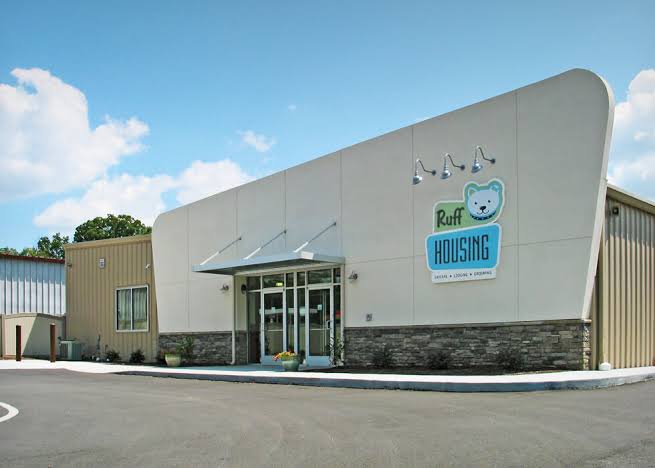
Ruff Housing operates Winston-Salem locations offering services such as dog boarding, daycare, grooming, enrichment activities, supervised play, and scheduled opportunities for rest. Its Winston-Salem facilities include options designed around different dogs’ activity levels and comfort with social interaction.
For owners considering boarding, this highlights an important point: the right environment depends on the individual dog. Some dogs enjoy carefully managed social activities, while others may be more comfortable with individual attention and quieter routines.
Before booking, ask about the facility’s current vaccination requirements, evaluation procedures, sleeping arrangements, feeding routines, activity schedules, emergency procedures, and options for dogs that do not enjoy group play.
Ruff Housing provides boarding and pet-care services. Off Leash K9 Training Winston-Salem Dog Trainers remains focused on professional dog training, obedience, communication, dog confidence, and reliable everyday behavior.
Training beforehand can help your dog arrive with useful skills that caregivers can reinforce during normal handling.
Schedule a Practice Run Before a Long Trip
A trial visit can be extremely helpful for dog boarding preparation.
Instead of making your dog’s first experience a week-long vacation, consider beginning with a shorter stay if the boarding provider offers that option. This could be a daycare evaluation, short visit, or overnight stay depending on the facility and your dog’s needs.
Afterward, pay attention to your dog’s behavior.
Being tired after an active day can be normal, but watch for significant changes in appetite, bathroom habits, energy level, or behavior. Ask the facility how your dog handled transitions, rest periods, interactions, and meals.
Be honest about your dog’s behavior before the stay as well. If your dog guards food, dislikes other dogs, becomes nervous around strangers, attempts to escape, or has medical needs, the caregiver needs that information.
Good preparation depends on communication.
Keep Your Dog’s Routine Predictable
The more information caregivers have, the easier it is for them to understand your dog’s normal routine.
Before boarding, write down:
- Normal feeding times and portions
- Medication instructions
- Bathroom schedule
- Commands your dog understands
- Known triggers or fears
- Emergency contacts
- Veterinary information
- Any important handling preferences
Ask the facility what belongings you should bring. Policies for bedding, toys, food, medications, and treats vary between boarding providers.
You may also want to schedule grooming before or after the trip depending on your dog’s coat and needs. Our guide explaining why grooming matters for your dog’s health and comfort offers useful information for maintaining your dog’s regular care routine.
Strengthen Obedience Before Boarding
Good dog boarding preparation becomes much easier when your dog understands clear commands.
At Off Leash K9 Training Winston-Salem Dog Trainers, we focus on practical obedience that applies outside your home. A dog who can respond despite distractions is easier to manage during walks, handoffs, travel, boarding, and other changes in routine.
Depending on your dog’s age and current behavior, training may include Private Lessons, Puppy Training, Basic Obedience, Basic & Advanced Obedience, Board and Train, or Off-Leash Obedience.
Our Dog Training Programs can help owners develop stronger recall, leash manners, impulse control, dog confidence, and off-leash reliability before an upcoming trip.
Ready for a Smoother Boarding Experience?
Successful dog boarding preparation is about giving your dog skills they can rely on even when their normal environment changes.
Practice independence, strengthen obedience, make rest routines familiar, and introduce new caregivers gradually whenever possible. These steps can help create a more predictable experience for your dog and the people responsible for their care.
If your dog struggles with separation, leash pulling, unreliable commands, excessive excitement, or settling away from you, Off Leash K9 Training Winston-Salem Dog Trainers can help.
Contact our Winston-Salem dog training team to start building the reliable behavior your dog can use at home, during boarding, and throughout everyday life.
