

A dog whining for attention can make everyday moments frustrating. Whether your pup whimpers when you pick up your phone or starts vocalizing when you sit down for dinner, attention may be reinforcing the pattern. But whining can also reflect discomfort, frustration, or distress, so checking the context comes first.
This article focuses on attention-seeking whining and practical, at-home strategies to reduce it. It also explains when pain, anxiety, or another concern calls for veterinary or professional help. If you’re a dog owner in a busy household or apartment, including in Winston-Salem and North Carolina’s Triad area, this guide can help you plan your next steps.
Here’s the short answer: attention-seeking whining can develop when vocalizing repeatedly earns interaction. Address genuine needs first, then teach and reward calm alternatives. Withholding attention is appropriate only when your dog is comfortable, and the behavior has an established attention-seeking pattern.
What you’ll learn:
- How to observe whining without assuming its cause
- Common situations that can maintain attention-seeking habits
- A practical plan for teaching quiet alternatives
- Mistakes that can interfere with progress
- When to contact a veterinarian or qualified trainer
Understanding Attention-Seeking Whining in Dogs
Attention-seeking whining is a learned vocal behavior in which whining helps a dog obtain interaction. It may occur alongside eye contact, pawing, or nudging. Whining is also a natural form of communication and can reflect excitement, frustration, fear, or discomfort. More than one factor may be involved.
For owners, repeated whining can create real frustration. You may be trying to finish a work call or talk with guests while your dog vocalizes nearby. Understanding what happens before and after the whining helps you choose a useful response.
What “Whining for Attention” Actually Means
Attention-seeking whining is vocalizing that helps a dog obtain interaction. It may decrease when someone responds, but that response alone does not establish the cause. As the ASPCA’s guide to whining explains, dogs may also whine during greetings, anxiety, or discomfort.
Attention can include petting, talking, eye contact, or scolding. If your dog finds a response rewarding, it can help maintain the whining. That does not mean every reaction reinforces every dog. Avoid scolding or pushing your dog away; instead, meet genuine needs and teach a calm way to request interaction.
Whining may also reflect unmet physical, mental, or social needs. Review your dog’s opportunities for exercise, sniffing, play, rest, and relaxed time with you before focusing on changing the vocalization.
How Attention Whining Differs From Anxiety or Pain Whining
The sound alone does not reliably distinguish the cause. Consider the whole situation:
- Response to engagement: Whining that repeatedly leads to interaction may have a learned component. Becoming quiet with comfort does not rule out distress or pain.
- Body language: Look at the whole dog. Panting at rest, trembling, a tucked tail, stiffness, or avoidance may signal distress. A wagging tail alone does not establish that a dog is comfortable.
- Timing and context: Note whether whining occurs during inattention, greetings, departures, movement, or nighttime waking.
- Onset: New or worsening whining, especially with changes in appetite, mobility, or sleep, calls for veterinary evaluation.
Limping, sensitivity to touch, nighttime pacing, or trembling should prompt a conversation with your veterinarian. These signs can have several causes and should not be treated as simple attention-seeking without assessment.

Is Your Dog Really Whining for Attention? How to Tell
Start with observation rather than a home diagnosis. Track your dog’s whining for several days using a notes app or journal. Log the time, what happened before the whining, your dog’s body language, how you responded, and what happened afterward. These notes can reveal patterns to discuss with your vet or trainer.
Common Attention-Whining Scenarios at Home
Attention-seeking patterns may appear in situations such as:
- During calls or screen time: Whining may have previously earned a glance, conversation, or a break from your work.
- When you sit on the couch: Your dog may have learned that vocalizing leads to petting or an invitation to join you.
- When guests arrive, or you interact with others: Excitement, frustration, and learned requests for attention may overlap.
These situations suggest patterns worth investigating, not proof of a single cause. Your dog’s comfort, needs, and learning history all matter.
Observe Patterns Without Provoking Distress
After checking your dog’s needs, observe whether brief, ordinary shifts in your attention are comfortable for them. You can also practice a familiar behavior, such as a sit or mat cue, during a calm moment. Neither response confirms the cause of whining. Do not deliberately prolong vocalization or leave a distressed dog alone to test whether they stop.
When You Should Suspect a Medical or Anxiety Issue Instead
Watch for:
- New nighttime whining, pacing, or difficulty settling
- Whining around departures or during absences, especially with other signs of distress
- Changes in appetite, mobility, or energy
- Trembling, excessive drooling, or reluctance to move
- Whining when a particular area is touched
A short video can help your veterinarian or behavior professional understand the pattern. Do not deliberately trigger distress to obtain a recording. Persistent, new, or worsening whining deserves veterinary attention.
Why Dogs Develop Attention-Seeking Whining
Whining can reflect both a dog’s emotional state and what the dog has learned. Understanding those factors helps you address the cause rather than simply trying to stop the sound.
How Owners Accidentally Teach Dogs to Whine
Dogs can learn to whine through trial and error. If whining sometimes leads to petting or play, the behavior may persist even when it does not work every time. This is intermittent reinforcement. A consistent plan helps, but you should still respond to genuine needs or signs of distress.
Petting, talking, toys, or food may reinforce whining if your dog values the outcome. However, a request to go outside may reflect a real bathroom need and should not automatically be withheld. Your dog is communicating; the goal is to understand the request and teach an appropriate alternative when needed.
The Role of Boredom and Understimulation
A day with limited activity or interaction can leave a dog looking for something to do. Repeated vocal requests may become part of that pattern.
Choose activity based on your dog’s age, health, physical condition, and preferences rather than a universal time target. Walks, sniffing, play, food puzzles, and short training sessions can all contribute. Include enough uninterrupted rest, and ask your vet before making substantial exercise changes for a puppy, senior dog, or dog with health concerns.
Anxiety, Attachment, and Difficulty Settling
Some dogs have difficulty resting when their owner is busy or out of sight. Following you around or enjoying frequent affection does not, by itself, establish unhealthy dependence or explain why a dog whines. Look for signs of distress and teach comfortable, brief periods of independent activity at your dog’s pace.
Our guide to anxiety in dogs explains concerns that may require a different plan. A predictable routine and a comfortable resting area can help, but a crate is appropriate only if your dog feels safe there. Separation-related distress may require veterinary care and a tailored behavior plan.
Step-by-Step Plan to Stop Your Dog From Whining for Attention
The basic approach is to meet your dog’s needs, avoid maintaining a learned demand, and teach another way to request interaction. Begin with situations your dog can handle comfortably.
Foundations: Make Sure Needs Are Truly Met First
Before a busy period, check that your dog has:
- Food and fresh water appropriate for their needs
- Regular potty opportunities
- Physical activity suited to age and health
- Sniffing, play, and short training or enrichment sessions
- Social interaction and uninterrupted rest
Adjust the routine to the individual dog. Puppies need frequent rest and age-appropriate activity; more exercise is not always the answer to persistent whining.
Prepare before predictable triggers. For example, offer a potty break and suitable activity before a work call, then provide a familiar resting place or an appropriate enrichment item your dog can use safely.
Change Your Response: Stop Rewarding the Whine
For a comfortable dog whose whining has an established attention-seeking pattern, briefly withholding the usual response may help. Pair that with frequent rewards for quiet behavior:
- Check for a bathroom need, discomfort, fear, or another unmet need.
- Avoid scolding, pushing, or repeatedly talking to the dog during a learned demand.
- Notice a brief, comfortable pause and calmly reward quiet behavior.
- More importantly, offer attention during quiet moments before whining starts.
- If the dog repeatedly whines, pauses, and gets a treat, change the setup so rewards occur during independent calm behavior rather than the same repeated sequence.
- Stop and reassess if whining intensifies, persists, or occurs with panting, pacing, trembling, escape attempts, or other distress.
Everyone in the household should understand both parts of the plan: encourage calm communication and respond appropriately to genuine needs.
Teach a Calm “Ask” for Attention
Choose a behavior your dog can use comfortably to request interaction. Options include sitting quietly nearby, lying on a mat, or offering a chin rest.
Start in a low-distraction setting:
- When your dog is calm and quiet near you, use a marker word such as “yes,” then offer a treat or brief attention.
- Practice during ordinary quiet moments, not only after whining.
- Gradually introduce easy versions of everyday distractions, keeping sessions short.
- As the behavior becomes familiar, vary rewards using food, play, or attention your dog enjoys. Continue reinforcing calm behavior rather than removing rewards on a fixed schedule.
Keep expectations realistic. Your dog does not need to remain silent throughout the day, and healthy communication should still receive a response.
Use Structured Obedience and Place Training to Build Self-Control
Cues such as “sit,” “down,” and “place” can give your dog a familiar activity while you are briefly occupied. Teach them during calm practice sessions before using them around guests or phone calls.
- Keep obedience sessions short and achievable.
- Reward comfortable behavior on the mat.
- Release your dog before the exercise becomes too difficult.
- Increase duration or distractions gradually rather than changing everything at once.
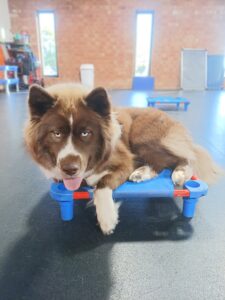
Off Leash K9 Training Winston-Salem offers training that includes place and other obedience skills. Ask how a program would address your dog’s needs. Holding a position does not necessarily mean a dog feels relaxed, so watch body language and avoid using prolonged stays to suppress distress.
Common Mistakes When Dealing With a Dog Whining for Attention
Inconsistency: Sometimes Ignoring, Sometimes Giving In
Inconsistent responses can make a learned habit harder to change. Agree on how to meet needs, reward quiet behavior, and respond to a familiar attention-seeking pattern. Consistency means following a thoughtful plan, not withholding help when the dog is uncomfortable.
Accidentally Rewarding Whining With Scolding or Touch
Scolding or pushing may provide interaction while also creating fear or frustration. Practice your alternative behavior during calm moments, then use it before predictable triggers. If the dog is already distressed, address that distress instead of trying to ignore it completely.
Skipping Exercise, Enrichment, or Rest
A training plan is harder to apply when your dog’s daily needs are overlooked. Review suitable walks, sniffing, play, social time, and sleep. Our resource on boredom and enrichment offers additional activity ideas.
Avoid assuming that every episode means your dog needs a longer walk. Look at the full routine and the context of the whining.
Expecting Overnight Change
A change in reinforcement can sometimes be followed by a temporary increase in behavior, often called an extinction burst. However, louder or longer whining is not proof of progress. Recheck the dog’s needs, comfort, and training difficulty rather than assuming you should wait it out. There is no reliable universal timeline for improvement.
How Long Does It Take to See Less Whining?
Progress depends on the cause, how long the pattern has existed, the dog’s comfort, and how consistently the household applies an appropriate plan.
What Affects the Timeline?
- Recently learned attention habits: Progress depends on identifying the reward and teaching an achievable alternative.
- Long-standing habits: Expect ongoing practice and adjustments to the household routine.
- Pain- or anxiety-related whining: Follow a veterinary treatment plan. The timeline depends on the underlying condition, not a standard training schedule.
A training program may provide coaching and structured practice, but its duration does not establish how quickly whining will improve. Any skills learned away from home still need practice in the household where the behavior occurs.
Signs Your Plan Is Working
Look for changes such as:
- Shorter or less frequent whining episodes
- More comfortable resting during previously difficult situations
- Your dog offering a quiet sit or going to a mat
- Your dog remaining comfortable while you take a call or talk to someone
Track body language along with the sound. A quieter dog who is trembling, frozen, or avoiding you is not the goal.
When to Call a Veterinarian or Professional Trainer
Red Flags That Call for a Vet Visit First
Contact your veterinarian for:
- Sudden whining in a previously quiet dog
- Vocalizing when touched or moving
- Changes in appetite, mobility, energy, or sleep
- Nighttime pacing or difficulty settling
- Trembling, excessive drooling, or other signs of discomfort
A veterinary assessment helps identify medical concerns before you treat the behavior as an attention habit.
When a Behavior Professional Can Make the Difference
Consider professional help when:
- Whining is persistent or significantly disrupts daily life
- You are unsure whether the dog is frustrated, frightened, or seeking interaction
- The dog shows distress around separation
- Household members struggle to apply the plan consistently
- Your approach produces worsening behavior or you feel stuck
A qualified trainer can assess behavior patterns and coach your timing and practice. A veterinarian evaluates medical concerns, and a veterinary behaviorist can address complex behavioral conditions and prescribe medication when appropriate.
Off Leash K9 Training Winston-Salem offers private dog training and board-and-train options. Contact the team to discuss your dog’s whining, any veterinary findings, and whether a program fits your goals. Ask about training methods and how you will practice at home.
Conclusion and Next Steps
Attention-seeking whining may improve when a dog’s needs are met and calm alternatives receive consistent reinforcement. The first step is understanding the pattern, not assuming that every whine is a demand.
Your immediate next steps:
- Start an observation log. Record what happens before and after whining.
- Review the daily routine. Include suitable activity, enrichment, social contact, and rest.
- Teach one calm alternative. Practice a quiet sit or mat behavior before predictable triggers.
- Align household responses. Meet genuine needs and reward calm behavior consistently.
- Watch comfort as well as sound. Reassess if whining increases or your dog shows distress.
If you use a crate as a resting area, introduce it gradually and watch for comfort. Our crate-training guide explains the process.
If whining is persistent or you need help applying the plan, contact Off Leash K9 Training Winston-Salem to discuss training options for your household. Progress depends on the cause, your dog’s comfort, and consistent practice at home.
FAQs About Dogs Whining for Attention
Should I Ever Ignore My Dog When They Whine for Attention?
Briefly withholding a familiar response may help with established attention-seeking whining when your dog is comfortable and their needs are met. Pair it with proactive rewards for calm behavior. Do not ignore possible pain, fear, bathroom needs, or escalating distress.
Is It Cruel Not to Respond When My Dog Whines?
Briefly withholding a response to a learned demand is different from withholding care. Continue providing affection, activity, and help with genuine needs. If your dog appears frightened or uncomfortable, reassess rather than treating the situation as a test of consistency.
Will My Dog Grow Out of Attention Whining?
Some puppy vocalization changes with maturity, but a repeatedly rewarded attention habit may continue. Teaching a calm alternative is more useful than assuming age will resolve the problem. Persistent or changing whining also deserves a review of health and emotional needs.
Can E-Collar Training Help With Attention Whining?
For attention whining, use reward-based training that addresses the cause and teaches another way to communicate. The American Veterinary Society of Animal Behavior’s training guidance recommends reward-based methods and advises against aversive methods, including electronic collars. Do not use stimulation to suppress whining that could reflect pain or distress.
What Can I Do if My Apartment Neighbors Complain About My Dog’s Whining?
Plan potty breaks, suitable activity, and a quiet resting setup before predictable noisy periods. White noise may mask some environmental triggers, but it does not soundproof an apartment. Track whether whining occurs during absences, and seek veterinary or behavioral help if distress is involved. Let neighbors know you are addressing the problem without promising an immediate fix.
How Is Attention Whining Different From Separation Anxiety?
Attention-seeking whining may occur while you are present, but your presence does not rule out anxiety. Separation-related distress occurs around departures or separation and may include pacing, panting, vocalizing, destruction, or house soiling. A video and professional assessment can help distinguish the patterns. Our guide to separation anxiety explains why it needs a different plan.
My Dog Whines at the Door Constantly. Is That Attention Seeking?
Check for a bathroom need first. An unscheduled request can still be genuine, especially with digestive upset, increased urination, or a change in routine. After needs are addressed, observe whether the dog is responding to outdoor sights or sounds or has learned to request an outing through whining. Do not use timing alone to decide whether the request is real.